National Trails Day at the Haramokngna American Indian Cultural Center

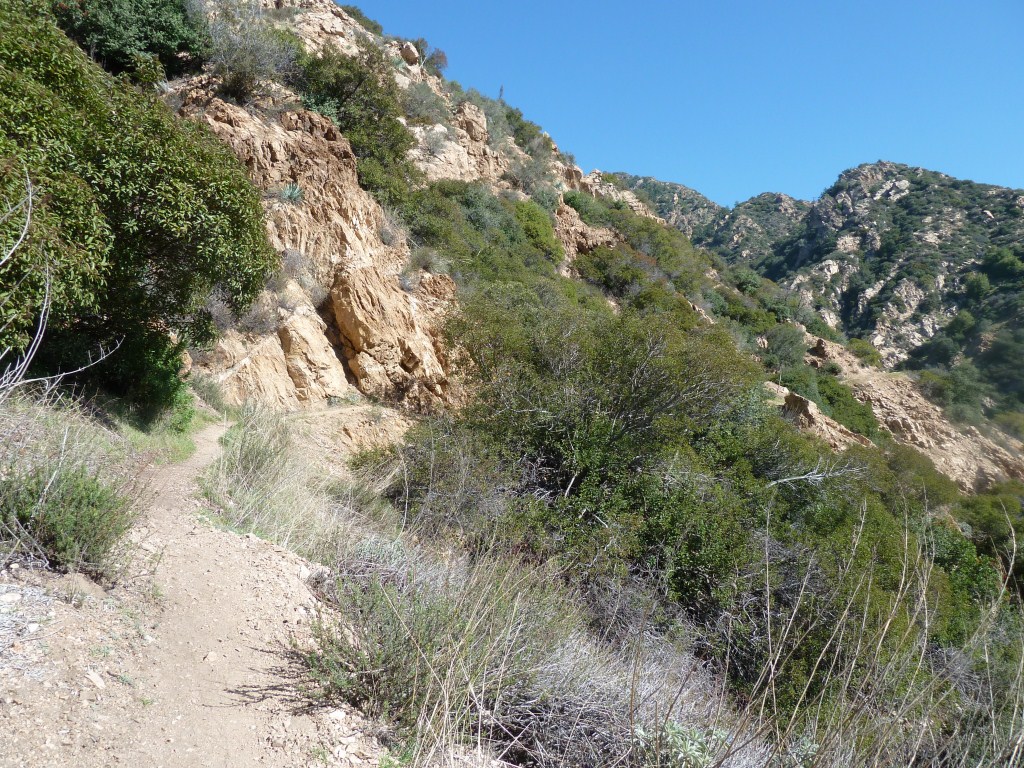
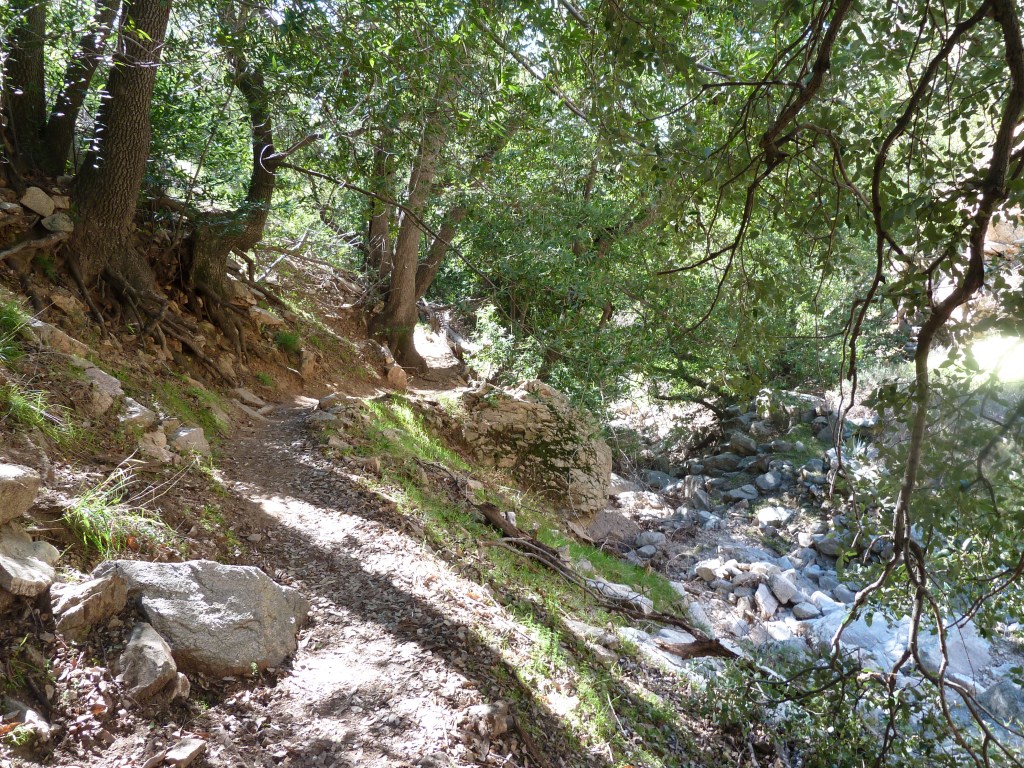
The Haramakngna American Indian Cultural Center is having a hike-a-thon Saturday on National Trails Day to raise money for the Center.  If you can make it, they will be hiking the Gabrieleno Trail from Red Box to the Valley Forge Campground.  If not, consider making a donation to their cause.  Wherever you are tomorrow, Happy National Trails Day!

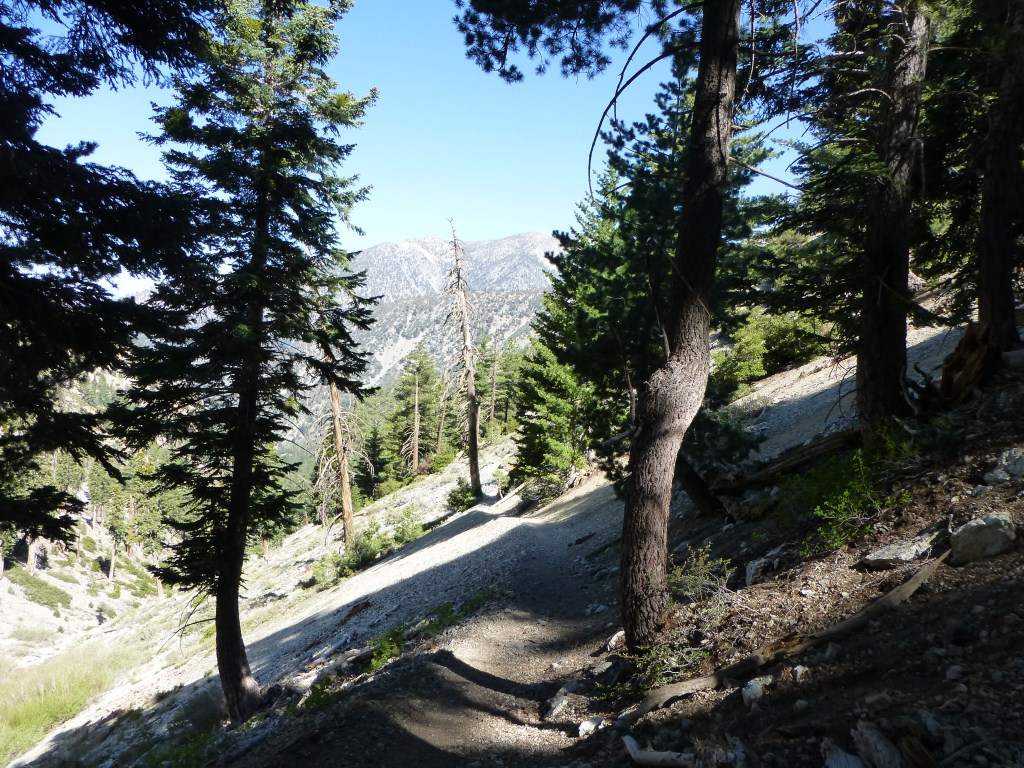
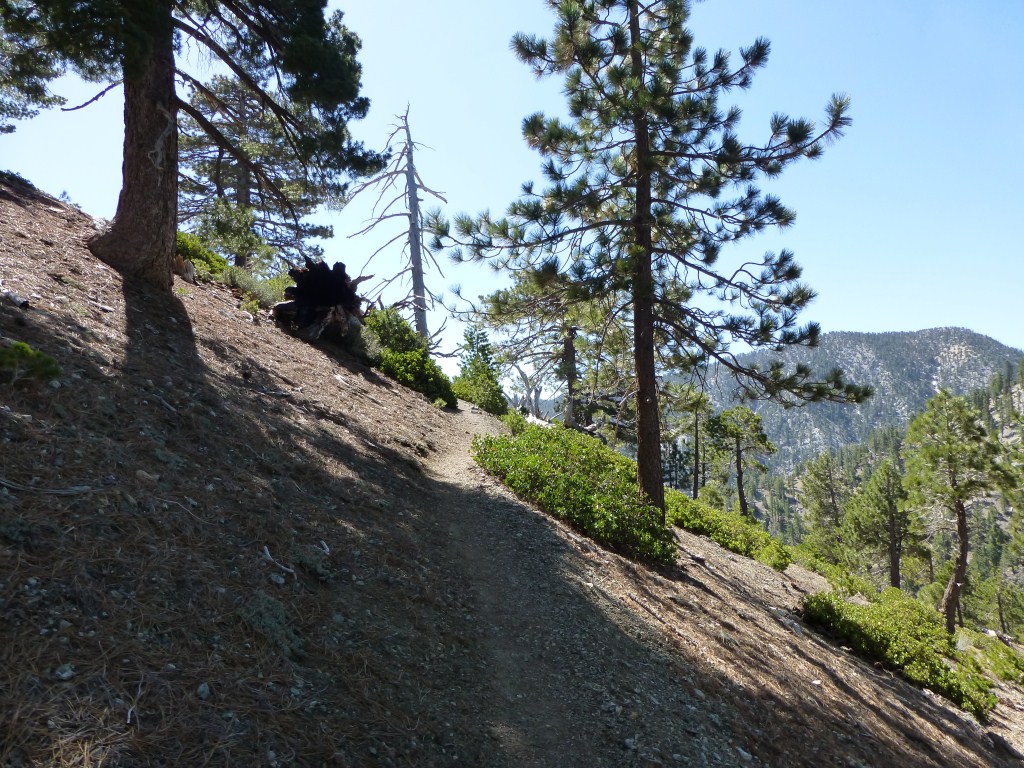
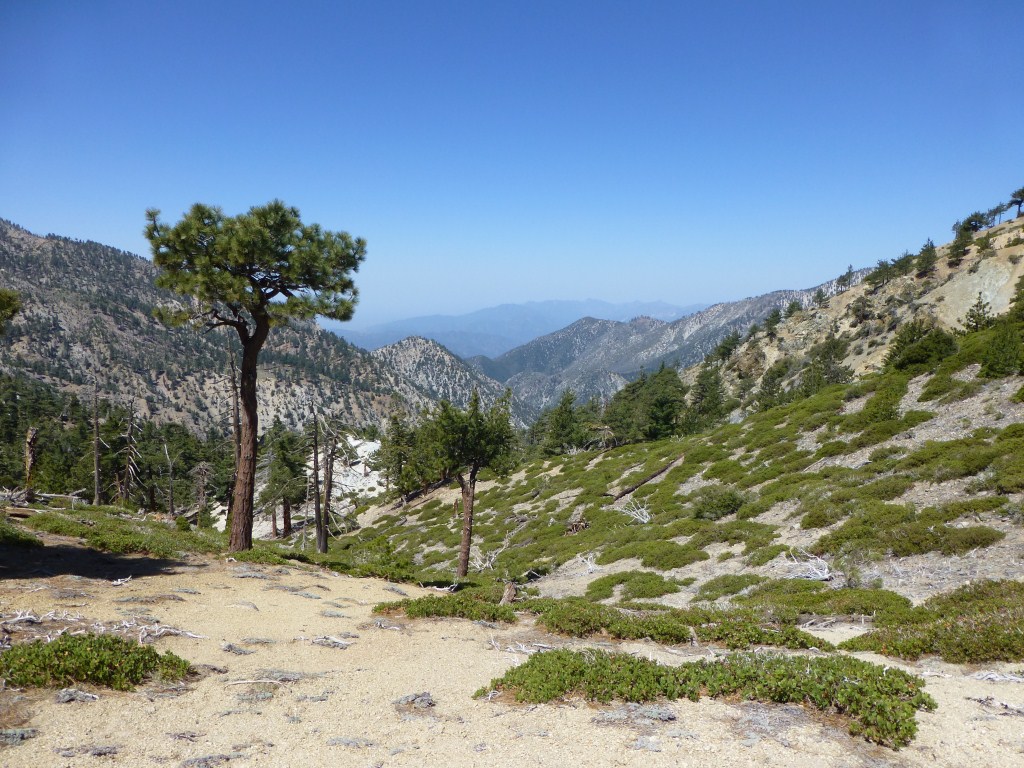
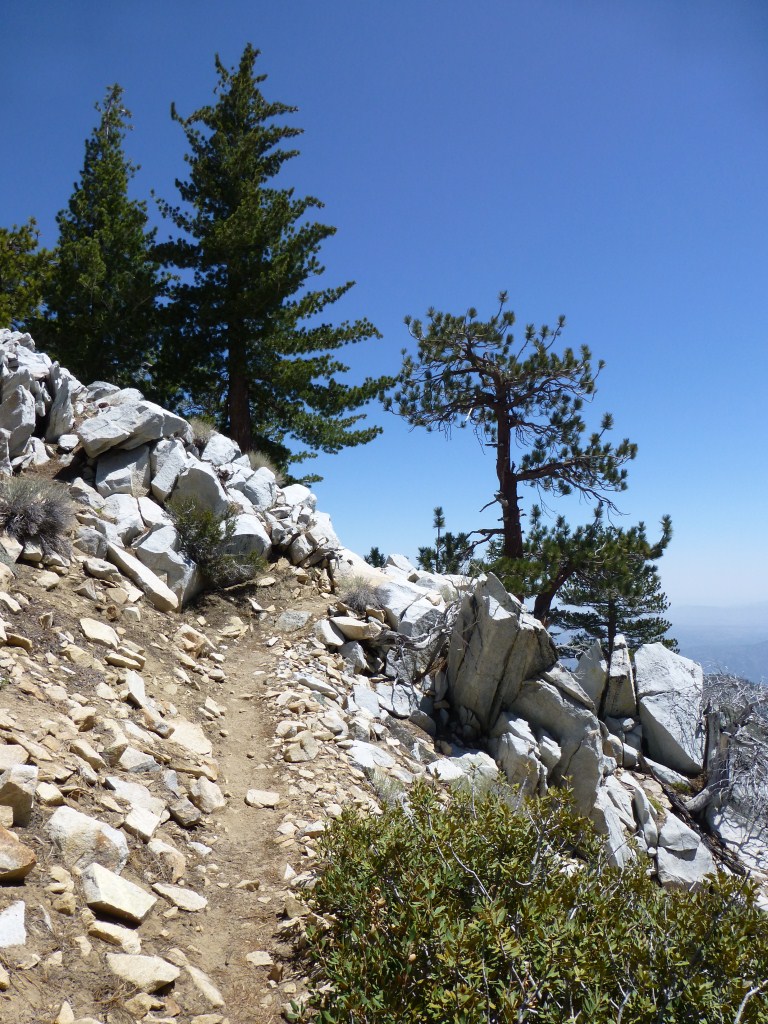
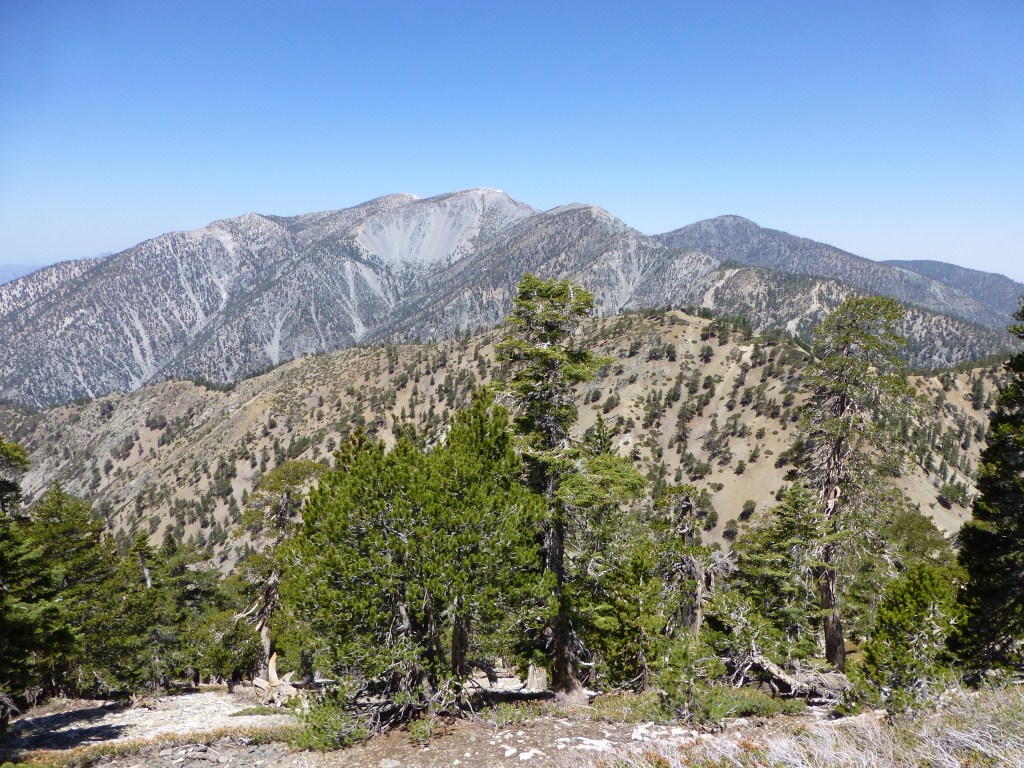
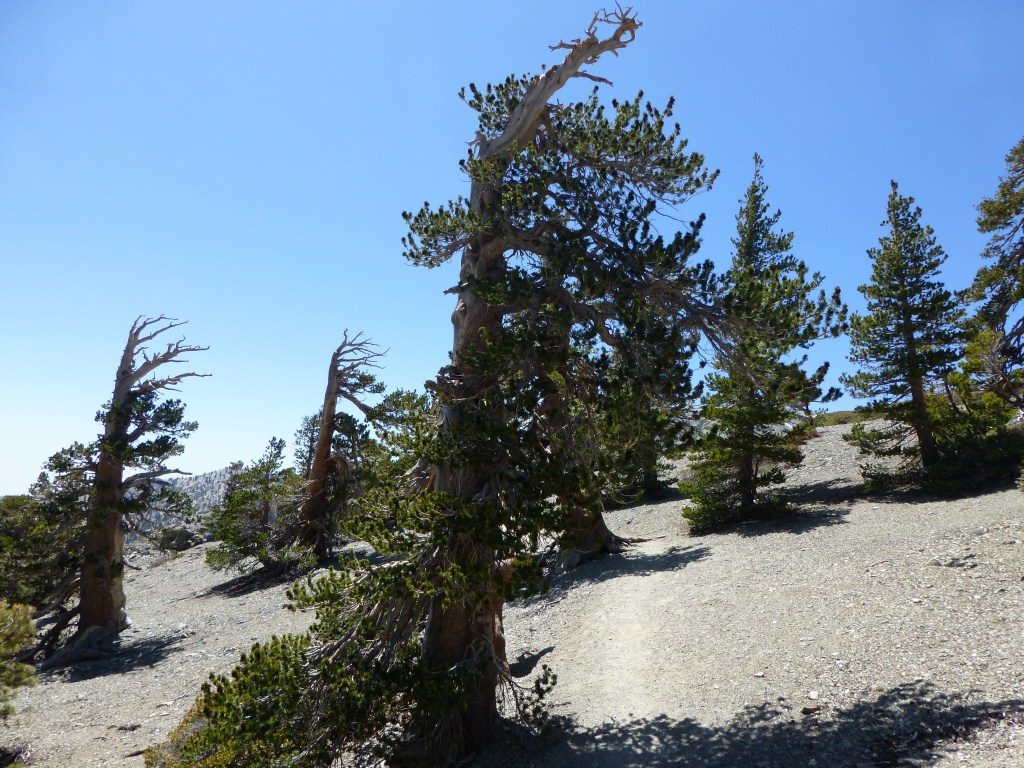
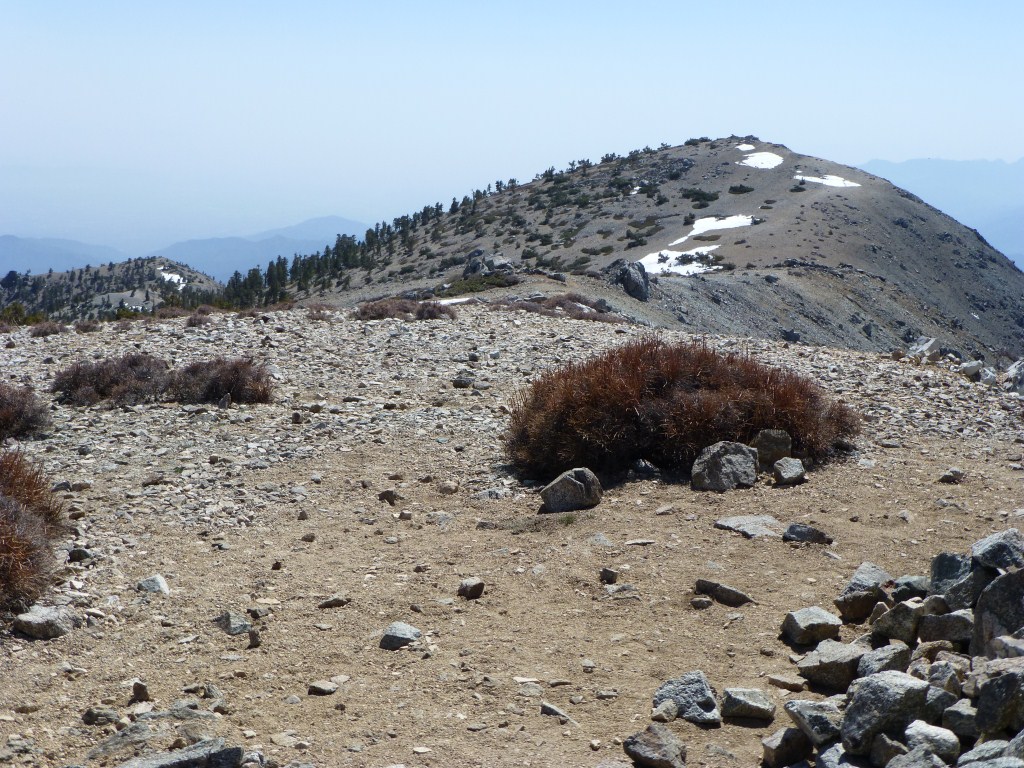
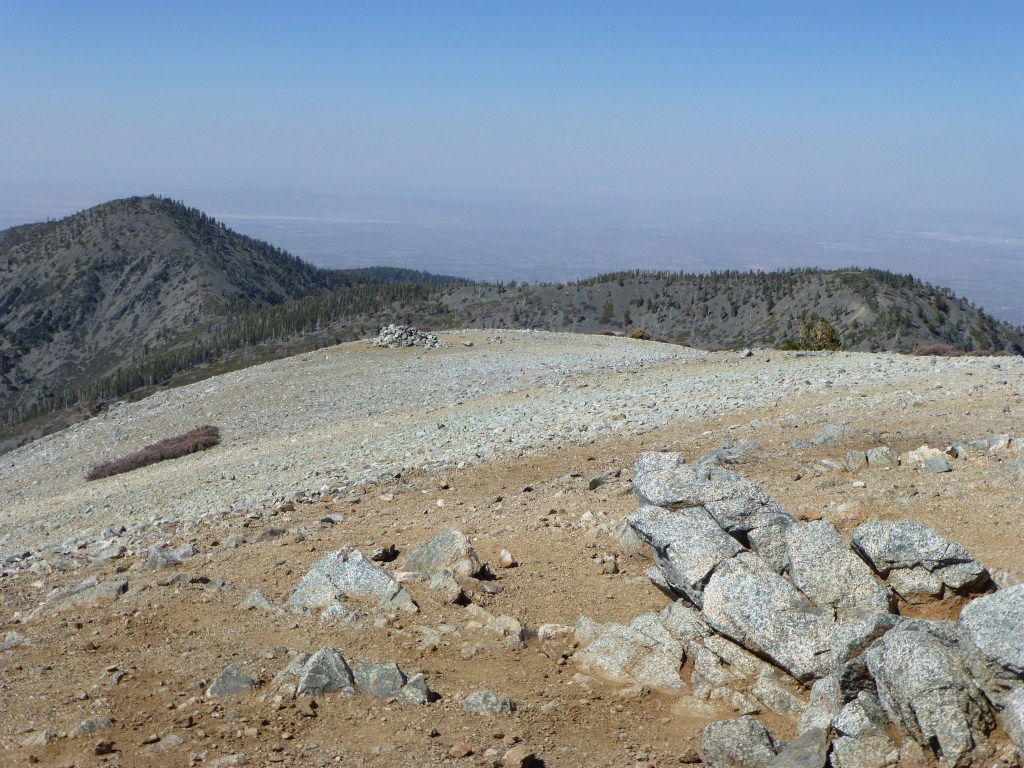
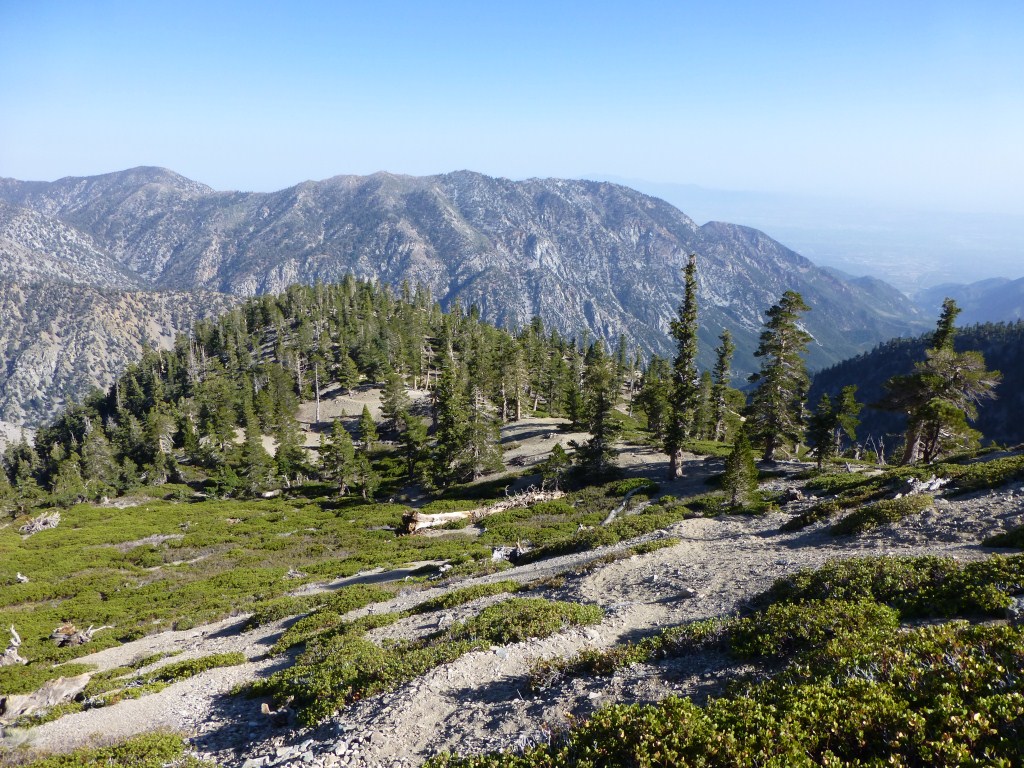
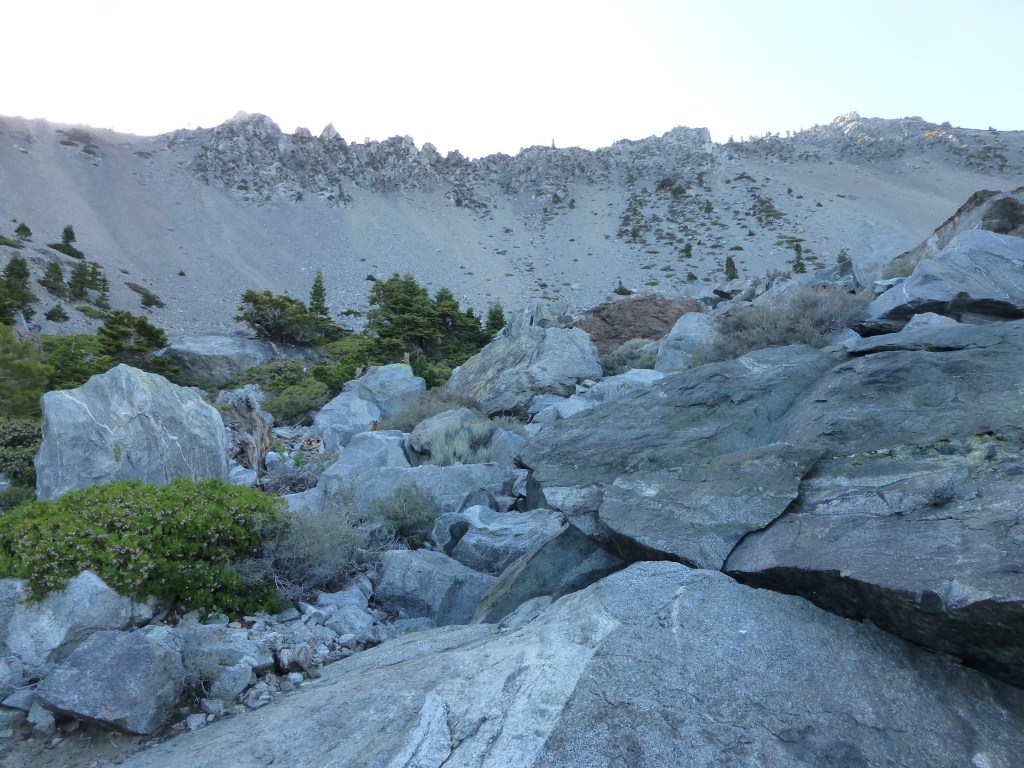
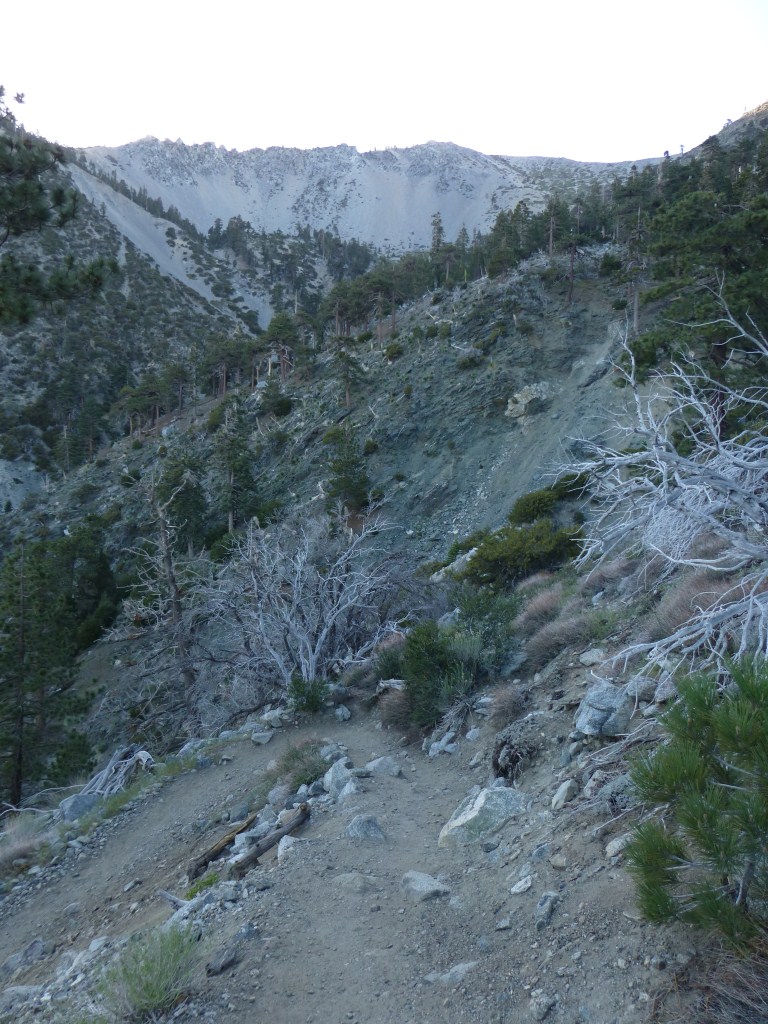
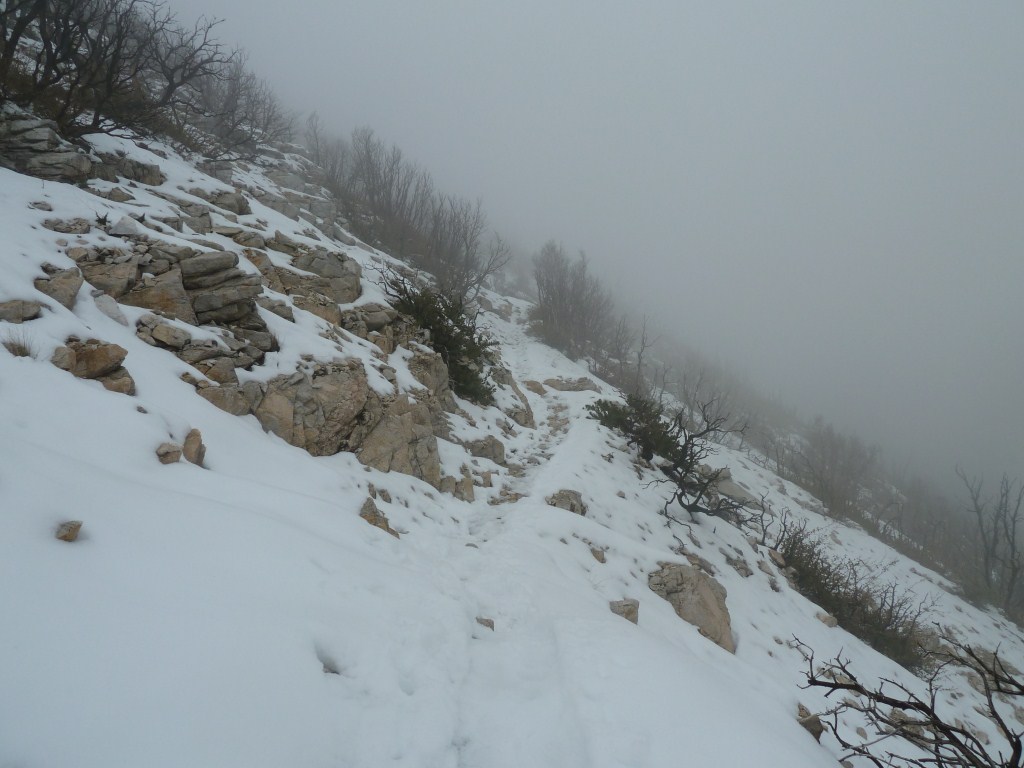
Gabrieleno Trail between Red Box and Valley Forge Campground

Icehouse Canyon to Mt. Baldy

I hadn’t been to Mt. Baldy (aka Mt. San Antonio) or to any of the trails accessible from Icehouse Canyon since October–except for a short trek part way up the Icehouse Canyon Trail with my daughter.  Really missing both areas, I decided to make last weeks Mt. Whitney training hike a trek from Icehouse Canyon to Mt. Baldy.

I always find starting a hike from Icehouse Saddle to be very enjoyable as a significant amount of time is spent along the stream.  For some reason, streams get me immediately focused on the nature I’m walking through which sets the tone for the longer journey.

Stream along the Icehouse Canyon Trail

Among the great things I experience now that I’ve been hiking in Angeles Forest weekly for about a year and a half is to know the territory I’m seeing as I look off into the distance because I’ve been there.  It’s profoundly different for me now.  I am now able to recall what it looks like to stand in a place I’m looking at far off into the distance, what it takes to get there, and what it looks like to look toward where I’m standing from where I’m looking at.  Holding all this in my mind as I gaze out heightens my experience as relationships and interconnections grow.

View toward Mt. Baldy from the Icehouse Canyon Trail about 3 miles up and trekking away from Mt. Baldy.

The forest’s intimacy and grandeur simultaneously captivate me as I look out to places I’ve been but will not be able to make it to today.

Hiking up Timber Mountain and looking out to Ontario Peak where I’ve been but won’t be going today.

The views are expansive, height and distance become more tangible when looking down long canyons instead of simply out off into the distance.

View down canyon from saddle between Timber Mountain and Telegraph Peak

I slow down and look around a lot at saddle areas.  The views out are breathtakingly expansive.  At the same time there is a close up view up the next mountain displaying its overall form which will no longer be discernible as I climb it.

View of Telegraph Peak from the saddle between Telegraph Peak and Timber Mountain.

Climbing the mountain instead of viewing it from far enough away to see its overall form is similar to the difference between being inside and outside of a building.  Smaller spaces emerge along the trail that generate their own sense of place and destination.  As the trail leads from one space to the next new features come into view.  I particularly like it when the trail curves in the distance and it looks like there may be an interesting spot just around the corner with a new view or a new set of features.

Three Tee’s Trail hiking up Telegraph Peak

After hiking for a while doing switchbacks up the side of the mountain and looking out at expansive views from over 8,000 feet in elevation, the trail gets close to the ridge.  It’s low enough still that you can’t see a view over the ridge.  The view of the ridge line becomes dominant and I start looking up instead of out.

Three Tee’s Trail near the junction with the Telegraph Peak Trail

After hiking for about an hour with no view of Mt. Baldy, the mountain comes into view near the junction with the Telegraph Peak Trail. Thunder Mountain is somewhat lost in the foreground with Mt. Baldy rising much higher in the distance.

View toward Mt. Baldy from the junction with the Telegraph Peak Trail

Eventually as I make it down toward the saddle between Telegraph Peak and Thunder Mountain, the change of view allows Thunder Mountain to gain prominence as its peak now stands out in front of the blue sky background.

Three Tee’s Trail leading down to saddle between Telegraph Peak and Thunder Mountain with the peak of Thunder Mountain now easily seen against the blue sky.

View down the canyons from the saddle between Telegraph Peak and Thunder Mountain are both expansive and diverse as one side looks northwest and the other southeast.

Northwest view from saddle between Telegraph Peak and Thunder Mountain

View Northwest from saddle between Telegraph Peak and Thunder Mountain

View Southeast from saddle between Telegraph Peak and Thunder Mountain

The road down from Thunder Mountain to Baldy notch isn’t very exciting, but there are still great views of Mt. Baldy

Road down from Thunder Mountain to Baldy Notch

My original plan was to hike to Mt. Baldy and return the same way.  By the time I made it to the top of the ski lift area I was behind schedule to make it back from Mt. Baldy before dark.  So I sat on the concrete pad, had a snack and contemplated my options.  I could just turn around and go back easily making it to my car before dark.  I could go to Mt. Baldy and return the way I came but hike much of the Icehouse Canyon Trail in the dark using my headlamp.  I could go to Mt. Baldy, come down the Baldy Bowl Trail and walk the paved road from Manker Flats to Icehouse Canyon to get to my car in the dark.

Top of the ski lift area.

I decided I’d rather hike to Mt. Baldy and walk the road from Manker Flats to Icehouse Canyon in the dark.  I was rewarded with a great trek up the Devil’s Backbone Trail where I enjoyed the multitude of different types of spaces to walk through.

View up the Devil’s Backbone Trail looking at Mt. Harwood.

Devil’s Backbone Trail along a narrow portion with huge drops on each side and spectacular views.

A wider portion of the Devil’s Backbone Trail on the side of Mt. Harwood looking back toward Telegraph Peak where I was earlier.

Walking through a flat area on Mt. Harwood with Mt. Baldy now visible through a wonderful area of trees.

Gorgeous trees and excellent views are plentiful along this short stretch of the trail.

View trekking along the side of Mt. Harwood with Mt. Baldy in view.

View out from the Devil’s Backbone Trail along Mt. Harwood

Heading up Mt. Baldy looking back down on Mt. Harwood

The trail gets pretty steep in places.

The last portion going up the trail before the curve flattens out at the summit.

I had lunch at the summit.  While not looking forward to the walk in the dark on the road from Manker Flats to Icehouse Canyon, I felt it was definitely worth the sacrifice.

Summit Marker

View toward West Baldy (which is shorter despite the optical illusion), and the path down the Mt. Baldy Trail to the Visitors Center.

View down the North Backbone Trail viewing Dawson Peak and Pine Mountain.

At the summit, I met another hiker (Kevin) who also is training to hike Mt. Whitney.  I mentioned my route and my need to walk the road once reaching Manker Flats.  Luckily, Kevin drove me to my car.  So, the remainder of my trek was a wonderful trek down the Baldy Bowl Trail.

View heading down the Baldy Bowl Trail from the summit.

The Baldy Bowl Trail looking toward Mt. Harwood

View down the Baldy Bowl Trail

View looking up from the base of the bowl along the Baldy Bowl Trail

View back toward Mt. Baldy from the Baldy Bowl Trail

San Antonio Falls from the road leading down to Manker Flats

Hiking Into The Clouds

Hikes with significant elevation gain guarantee a diversity of landscape to trek through.  Obviously this is due to the micro-climates created largely by the difference in altitude that one moves through on the way to the high point of the journey.  While the amount and character of the diversity is clearly tied to numerous other factors, meaningful differences are assured.  Having taken several Environmental Science courses in college, none of that surprised me.  I find experiencing this diversity to be wonderful and the specific details naturally have unforeseen aspects to them. Of course, prior to beginning my weekly hikes in 2011, I wasn’t aware of the what was in Angeles Forest, or things like how high the mountains reach–which is why I started this blog. However, the overall idea wasn’t new for me.  The first time I planned a hike with over 2,000 feet of gain, I new I would see diversity. 

Unexpected for me was my personal discovery (countless others have known this long ago) that at certain times these differences being so close together become more magnified than seen on a typical day.  Weather , for example, will impact these areas differently creating interesting edge conditions and small areas of dramatic difference that can be experienced on a day hike.  I first came to this understanding unintentionally on a hike from the Cobb Estate to Mt. Lowe in February 2011.

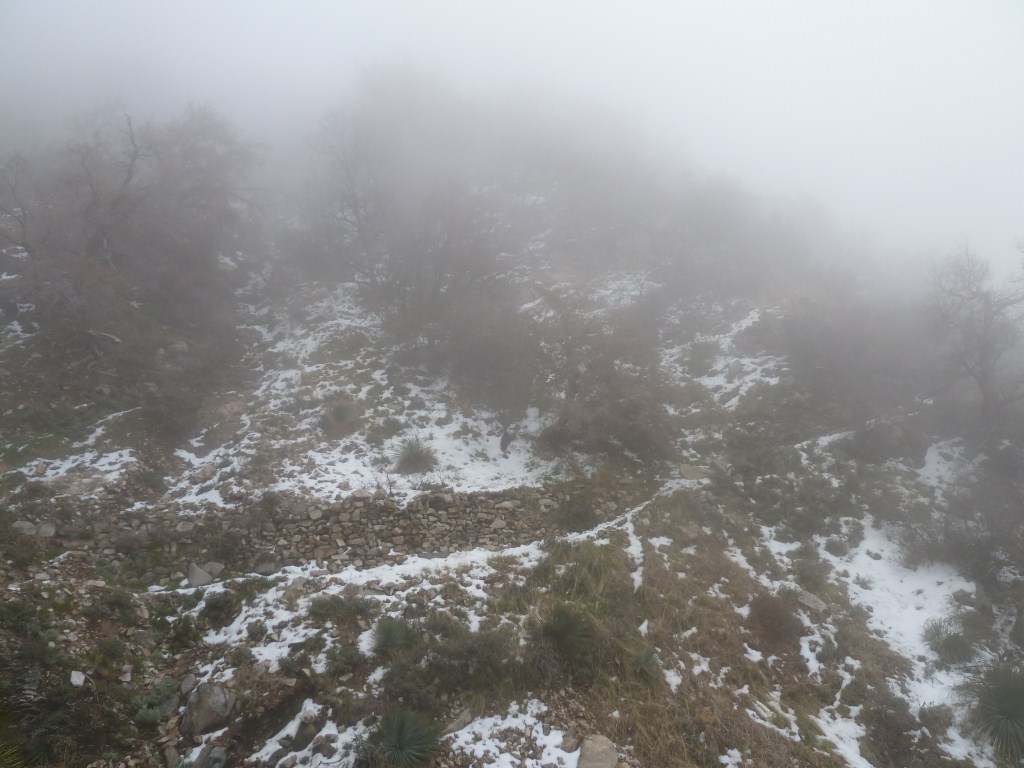
Starting at the Cobb Estate, the ground was dry and it was a little cloudy.  The clouds were pretty high though and while hiking up the Lower Sam Merrill Trail it was easy to see Downtown Los Angeles and the ocean off in the distance.  The weather report showed zero percent chance of rain, and the clouds high above the mountain didn’t appear threatening or reachable.  At Echo Mountain (about 1400′ of gain up from the Cobb Estate), Inspiration Point–another 1300′ in elevation was visible.  This was pretty typical so far and I didn’t take any pictures.  At Inspiration Point, the view out was still great, but the view up Mt. Lowe was blocked by clouds.  Before making it to the summit, I found myself in snow, literally in the clouds, and feeling an ultra light mist.
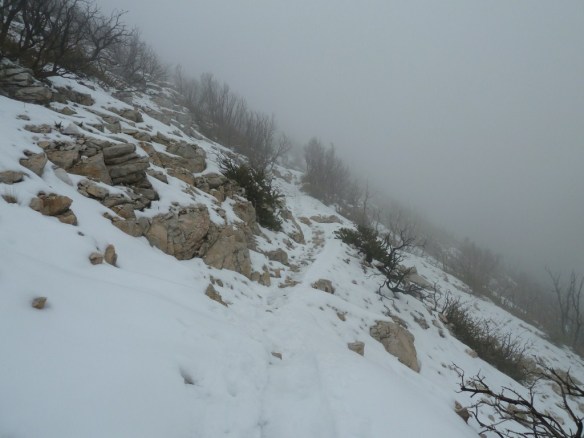
At the Summit, I thought about how the mist felt like walking in fog along the ocean.  However, walking up into the clouds and snow from the city below made the overall experience different.  Less than 500 feet lower down the mountain, the city below was still in sunlight, the trail had no snow and one could see as far off as the ocean.  While it did take hiking over 3,000 feet of gain to reach the clouds, the idea that they were reachable from below was exhilarating.  Never before had such an obstructed view been so appealing to me.
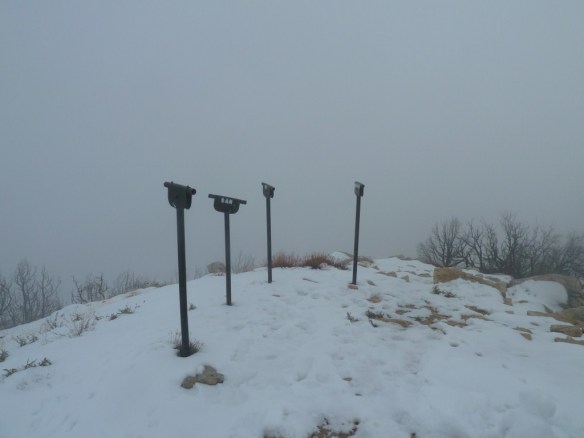
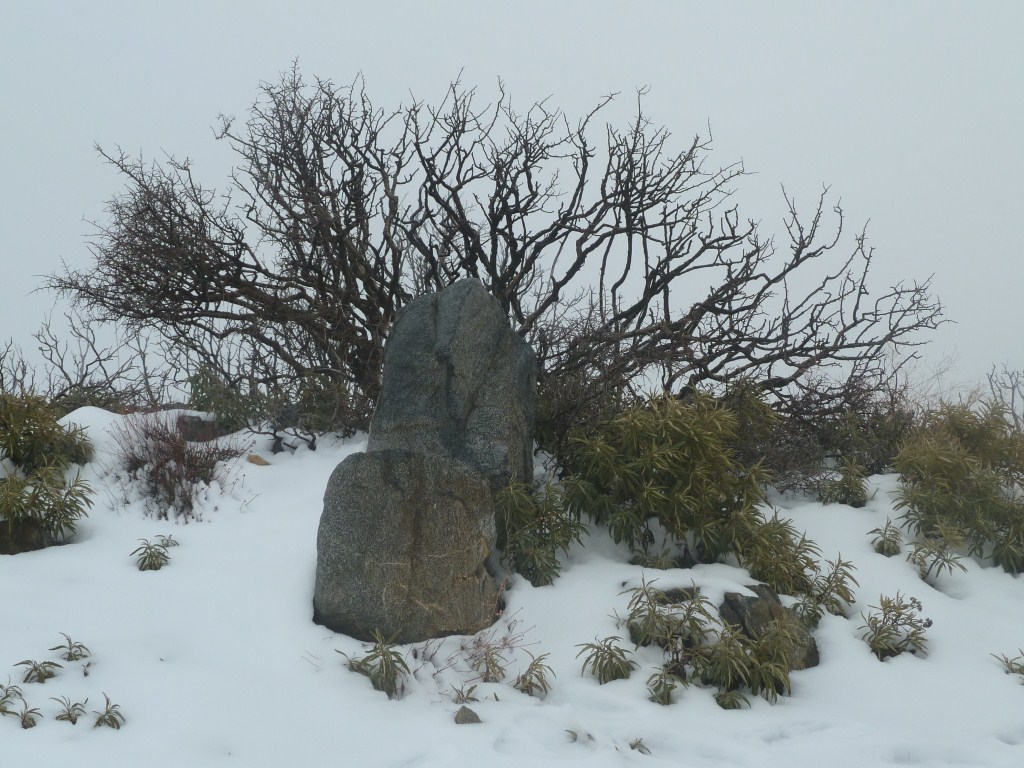
Being in the clouds and not being able to see out naturally caused me to focus more on what was immediately around me.  I saw many interesting things I hadn’t paid much attention to in the past because I was so blown away by the view outward.  For example, I found the composition of some rocks and vegetation to be very beautiful standing out against the grey background.

That experience taught me to pay more attention to what I’m trekking through on future hikes and to stop more often and take some pictures of interesting details along the way.  On a later hike, I searched out the same composition and photographed it with the view of Mt. Wilson in the background.

On the way down the mountain along the East Mt. Lowe Trail, the clouds were significantly lower.  The mist started to feel a little stronger and I started to wonder if it was going to rain and if the sun was still shinning down on the city below.

At about 1000 feet lower than the clouds were on my ascent, I broke through them along the Middle Sam Merrill Trail.  It took about 5 minutes to move through the edge condition between being in the clouds and not.  After walking through the cloudy grey for hours, I now had a view of both the grey fuzzy edge of those clouds and out to the sunlit mountainside across the canyon.
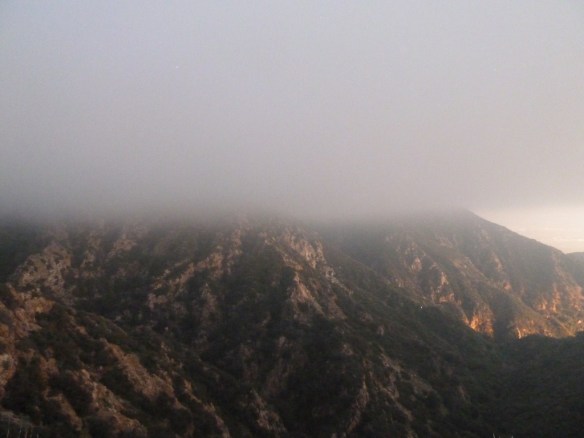
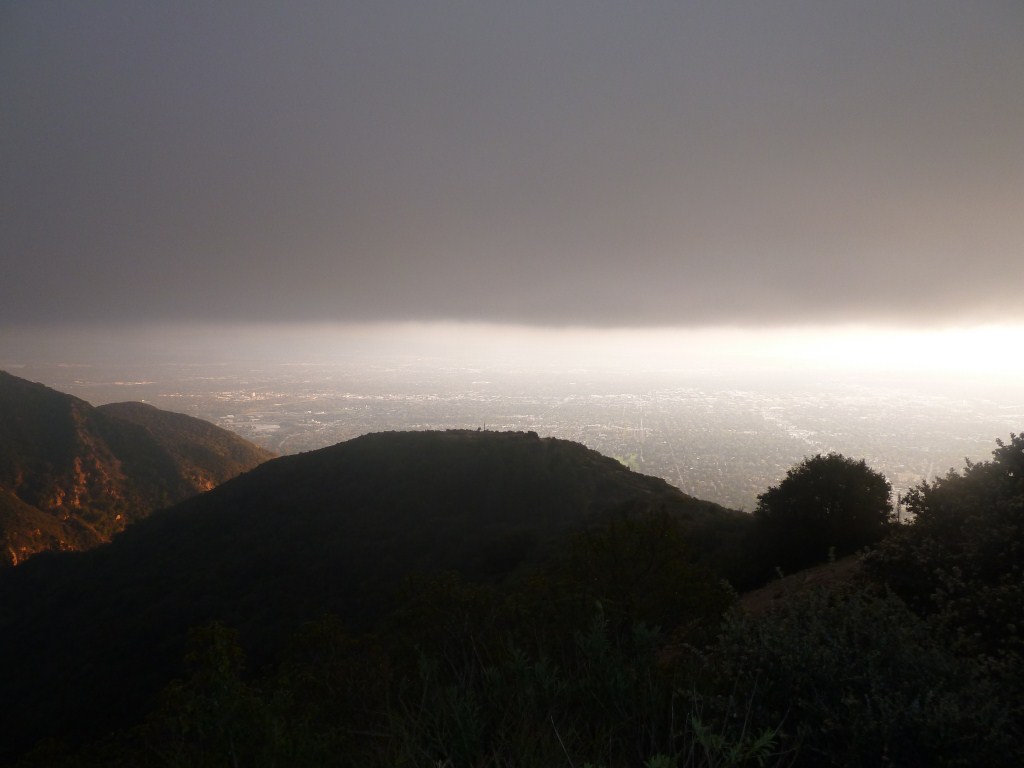
As I made my way downward, the shadowy view of Echo Mountain emerged with the sunlit view of the city beyond.  As I stood and took in that view, I’d look back up the mountain to see the view of the mountain top blocked by the clouds.  Then I’d look out and see that the cloud cover went out into the distance about as far as Downtown Los Angeles.  The light was making it to the lower part of these mountains due to the low angle of the sun.. The cloud cover then felt like nature’s grand cantilevered roof jutting out from the mountain top.

On another hike in early March 2011 up the Mt. Lowe Railway Trail, I found patches of snow on the trail and Mt. Lowe in view below the clouds.
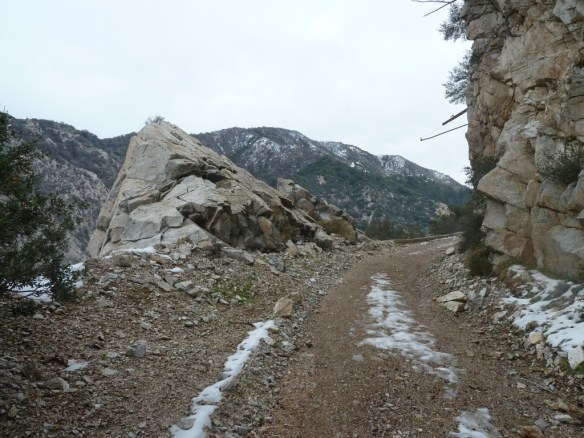
By the time I made it to the north side of Mt. Lowe along the Upper Sam Merrill Trail, I was ankle deep in snow and close to the clouds.  Markham Saddle was still visible, but San Gabriel Peak and Mt. Markham were in the clouds.  At that point, I knew Mt. Lowe would be in the clouds too.
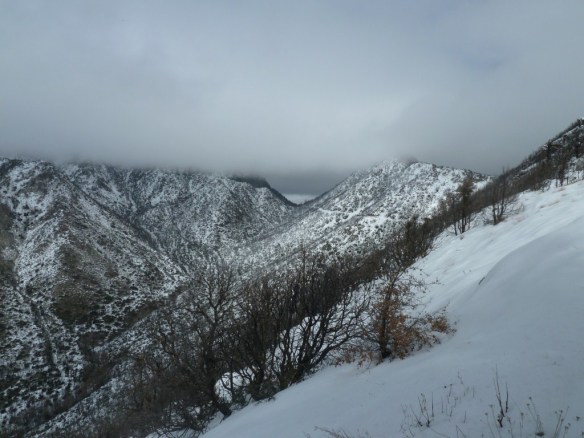
In late March 2011 on a hike on the Sam Merrill Trail  to Inspiration Point, the clouds were low and not much higher than Echo Mountain.

Uniquely, the most interesting view for me that day was of Inspiration Point through the cloud mist instead of out from it to the city below.

In April 2011, I again hiked up to Mt. Lowe via the Sam Merrill Trail.  Along the upper Sam Merrill Trail, I got interested in how the clouds helped emphasize depth and made some tree branches look further away than they do in sunlight.

This time after I made my way back down below the clouds I looked up to see the sun shine through the clouds.  The thin layer of clouds blocking a direct view of the sun and muting it’s light made the sun easier to see as a light bulb is when viewed through a lamp shade.  Not wanting to hurt my eyes by staring at it, I looked at it through my camera lens and took many pictures like the one below that look a little like an abstract painting.

I found the color of the sunset when viewed after so many hours in the grey of the clouds to be even more beautiful–especially as the darkness of the clouds were also in view.

Seeing the sun descending through the clouds and it’s light now able to shine directly onto the landscape I was hiking on caused me to spend more time contemplating my own experience being able to see out into the distance once I had descended through the clouds.  I stopped for a while to enjoy the moment.

I was almost down the mountain when the sun was setting behind the mountains beyond. Even when it was out of my sight for the day, the indirect light in the sky lit my way and allowed me to see further into the landscape than I was able to do while in the clouds during the afternoon.  I found the juxtaposition of experiences while hiking during a single day to be wonderful.
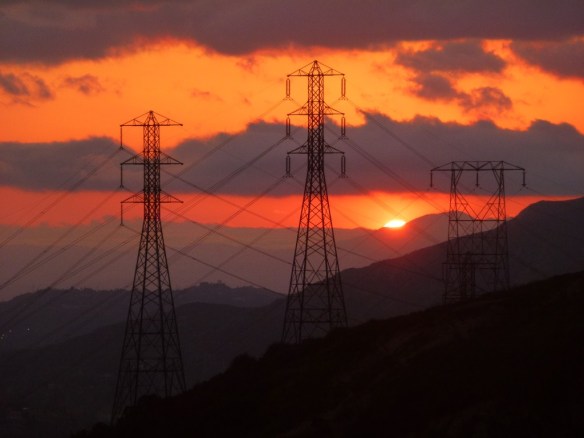
On a hike along the San Gabriel Peak Trail to San Gabriel Peak in December 2011, I found myself above the clouds with a view I’ve only seen from an airplane.  The opportunity to walk through them was there, I just didn’t have the time that day.  Now that I know it’s possible, walking through the clouds is high on my list of experiences to seek out.

I now see the mountains and the clouds differently.  When I’m in the city, I look up to see how high the clouds are up the mountain.  Could there be an interesting opportunity to interact with them–walk into them, above them, or through them?
 

Castle Canyon

The Castle Canyon Trail connects Echo Mountain to Inspiration Point.  So, you need to reach one of those two end points from another trail to hike Castle Canyon.  One way to get to the Castle Canyon trail is to start from the Cobb Estate and hike up to Echo Mountain using the Lower Sam Merrill Trail.

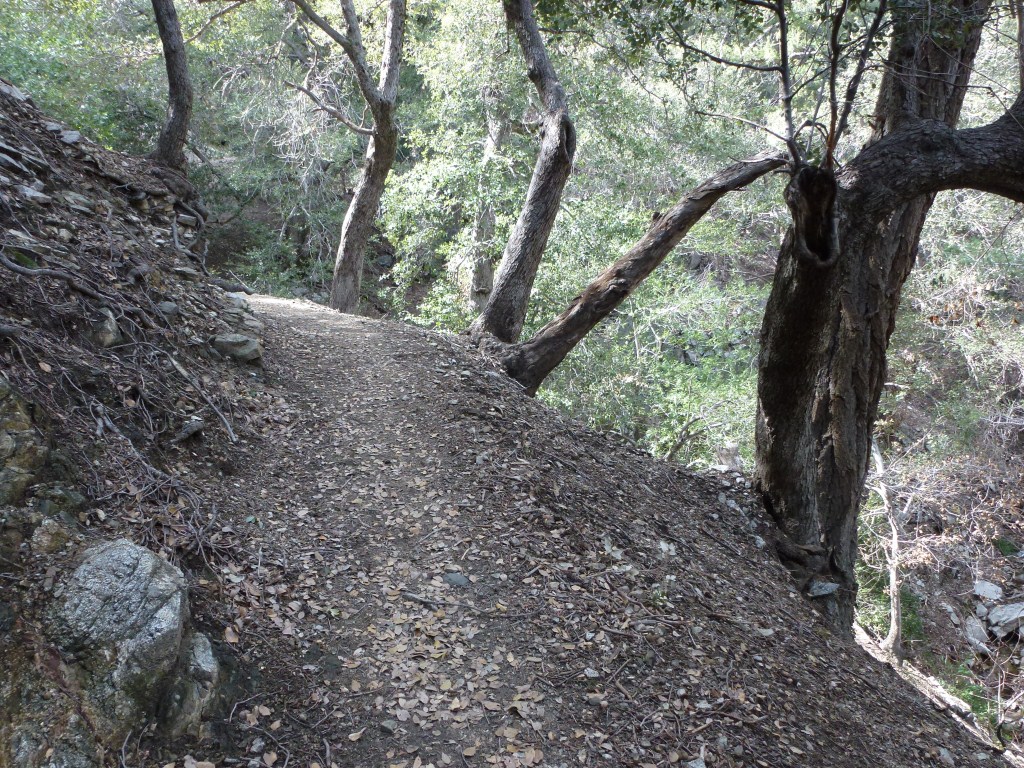
Like the Lower Sam Merrill Trail, Castle Canyon begins without shade.

However, a large part of the trail is shady and even meets up with a small stream in a couple places (that may not have water in summer).

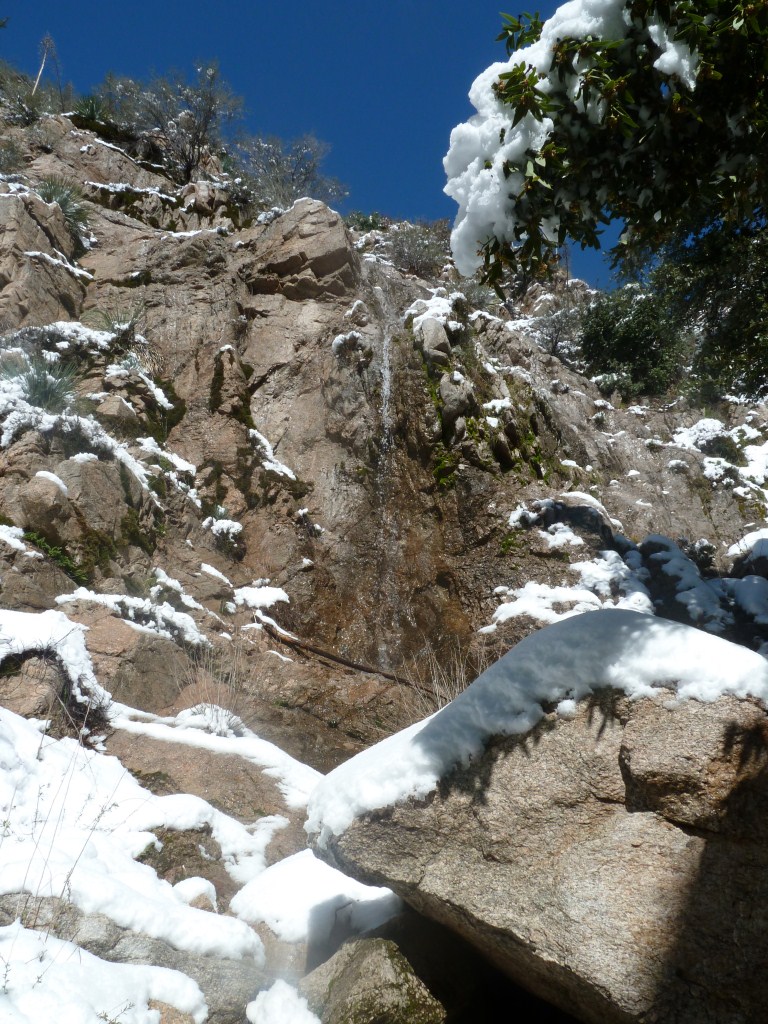
After enough rain or snow, a seasonal waterfall (or water-trickle) emerges.

The trail starts at an elevation of about 3200′ and reaches close to 4500′ and will sometimes be covered in snow.  Usually, just enough snow to make it interesting and hike-able without snowshoes or crampons.  So, several times during winter or spring you can park at the Cobb Estate in Altadena and fairly quickly hike up to snow along this trail (2-1/2 to 4-1/2 miles from parking depending on snow level).

Unlike the Lower Sam Merrill trail where at any time you can look out to views of the city, much of the time the view of the canyon and what is surrounding you on the trail is introspective and is blocked from city views.

At other times there are great views of the city and of Echo Mountain from above.

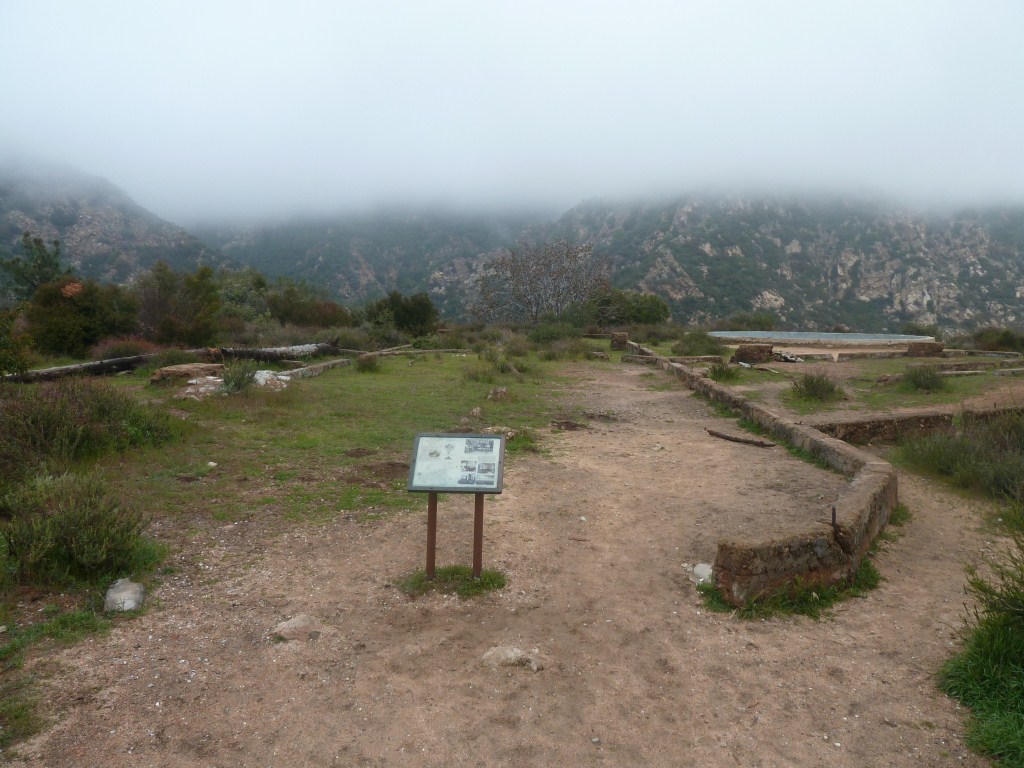
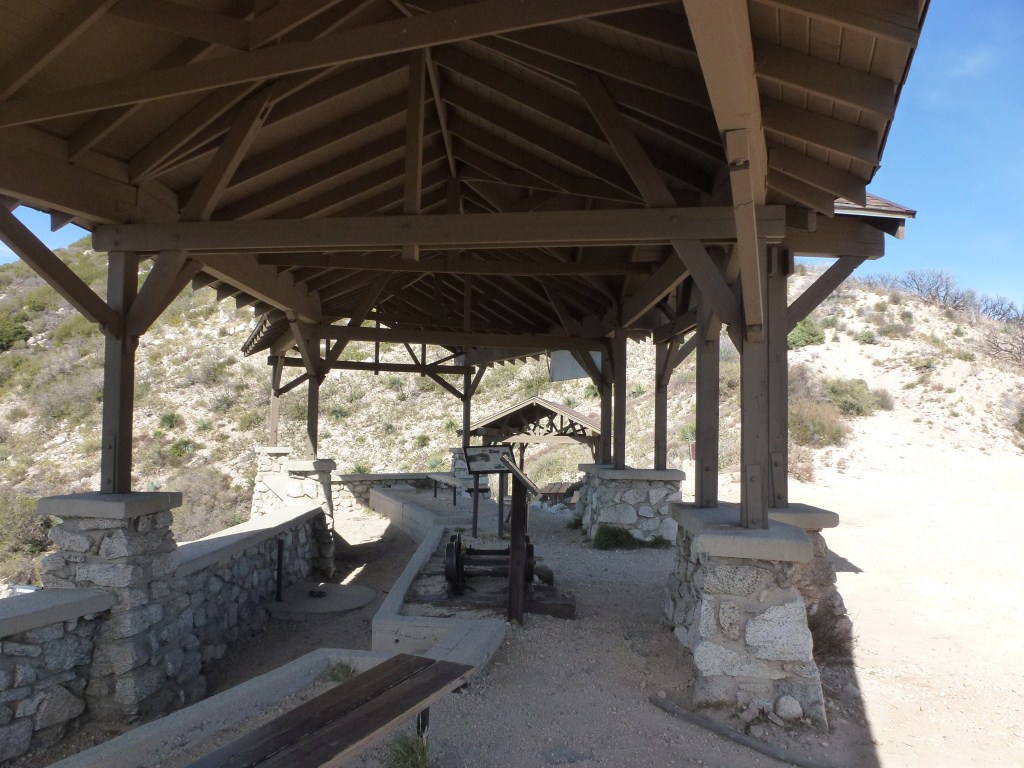
A significant portion of the trail gets a little steep compared with the rest of the trail–which is great if you are training.  Even if you aren’t training, the reward of making it to Inspiration Point is worth the effort.  At Inspiration Point there is shade, picnic tables, signage with history of the area, and remnants of the old one man and mule railway.

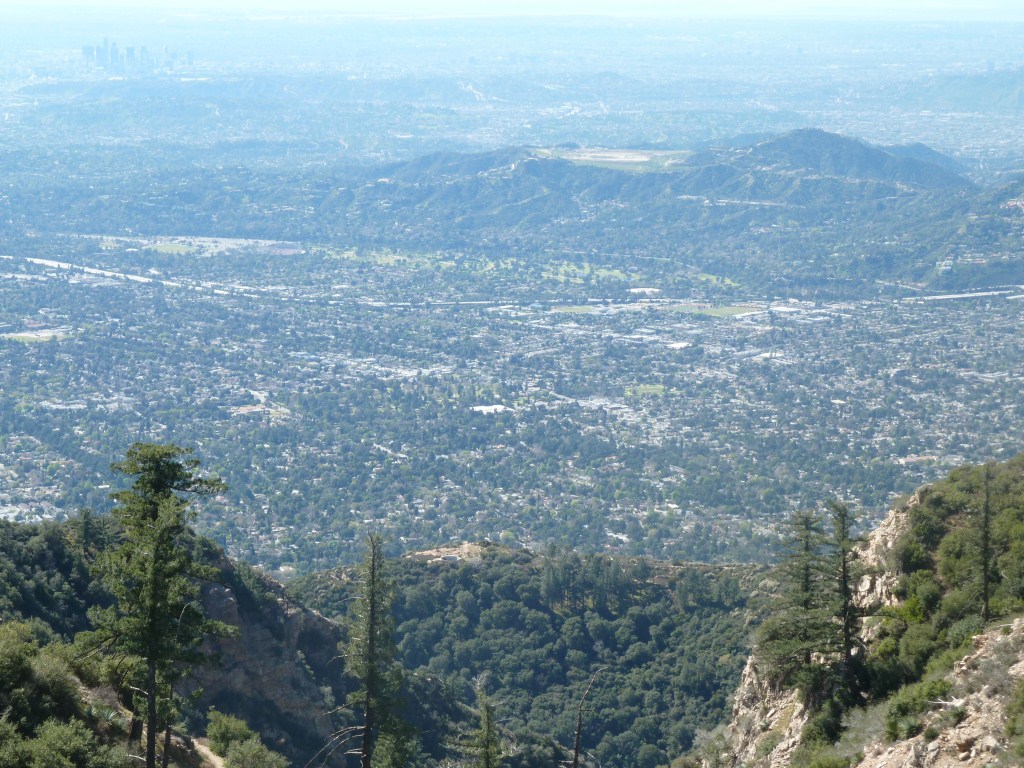
On a clear day, there are excellent views down the canyon and of the city, the ocean, and Catalina Island.

Shade and Water along the Gabrieleno Trail

The Gabrieleno National Recreation Trail is about 28 miles long in its entirety.  Importantly, a short portion of the trail is still closed due to the Station Fire from Paul Little to the junction with the Bear Canyon Trail.  For the second time I hiked a short portion of the Gabrieleno trail from Red Box to the Valley Forge Campground. This time I hiked with family and friends on a hot day and it was great to have trees blocking the sun for a large part of the trek.

Starting from the trailhead at Red Box, the trail descends until reaching the Valley Forge Campground.  Most of the way the grade isn’t very steep.

The trail essentially follows the San Gabriel River.  The river is often still visible during the brief periods when the trail leads away from it for a while.  The trail also crosses the river a number of times, but the river isn’t deep enough for that to be a problem.  Fortunately, at times when there is no shade the trail is often by the river.

There were many lizards roaming around on this April day.

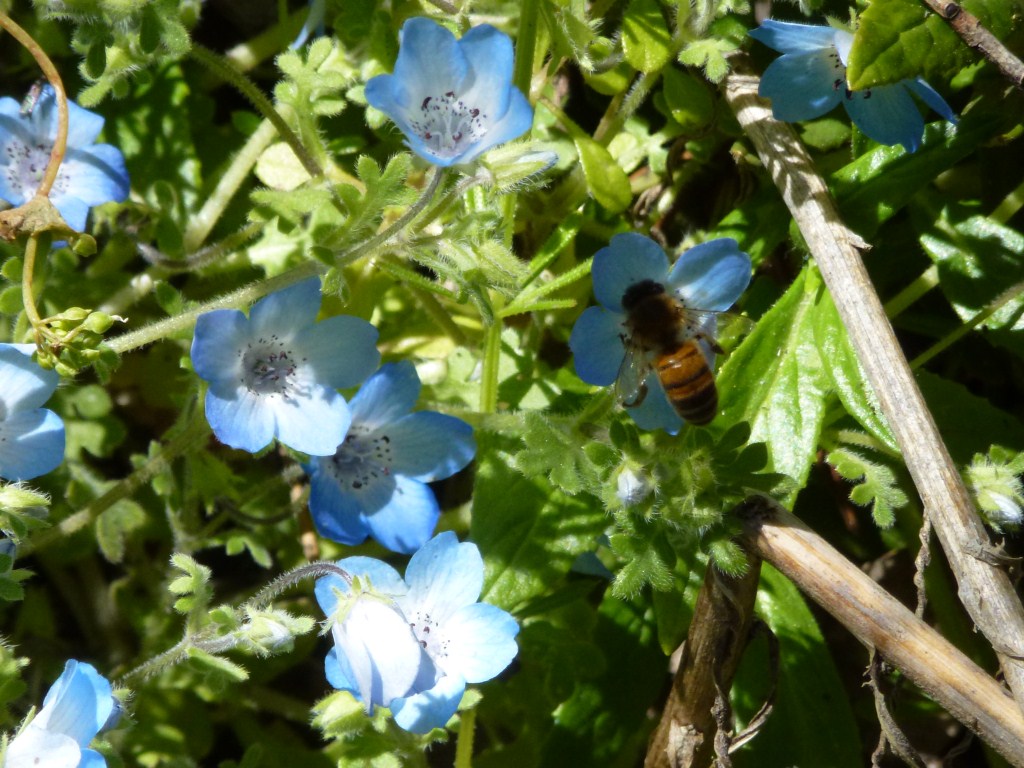
Flowers were blooming and it was great to see the bees working their magic.

It’s worth checking out the Haramokngna American Indian Cultural Center located at the parking area for the trailhead.  There are some nice artifacts there and volunteers that can tell you about the history of the area.  They have several events planned through October including a Hike-A-Thon to raise money for the center on June 2 (National Trails Day).