My Ten Best Hiking Experiences of 2013

Honorable Mention: Icehouse Canyon to Icehouse Saddle and back via the Chapman Trail.

View just below Icehouse Saddle.

View just below Icehouse Saddle.

I haven’t made it back into the forest regularly since injuring myself. Of the 77 hikes I’ve done this year, only 8 have taken place after my IT band injury became too extreme to ignore any longer after finishing my Mt. Whitney hike on August 1st. Those 8 only add up to about the same mileage I did over 4 days at the Grand Canyon. My injury combined with some personal stuff kept me away from the forest and my blog.

Last Sunday I decided to go on a solo hike in one of my favorite areas of Angeles Forest–Icehouse Canyon. Part of what makes the place so great is the plethora of choices on has to continue on past Icehouse Saddle if one of three directions leading to Cucamonga Peak, Ontario Peak, or Mt. Baldy. So, I didn’t need to commit to much of anything when I started from the trailhead.

Adding to my enjoyment of just being in the forest was the fact I hadn’t hiked Icehouse Canyon before during this time of year. Some of the views opened up a bit as the deciduous trees have lost all their leaves, it was much colder, the light was different because the sun is at a lower angle this time of year, and the fallen leaves added some vibrant color to the forest floor. I spent a lot of time thinking about 2013 and what I’m hoping for in 2014. My knees handled the trip excellently, though the left one was a little sore the following day. In addition to the awesome terrain; being back in the forest, reflecting, and my knees holding up were what put this hike on this list. It’s still probably going to be a few months before I can consider hiking on back to back days. I’m hoping to be able to hike the High Sierra Trail (73.5 miles from Sequoia to Mt. Whitney and finishing at Whitney Portal) in summer 2014.

10. Car Camping Trip Staying at Upper Oso Campground
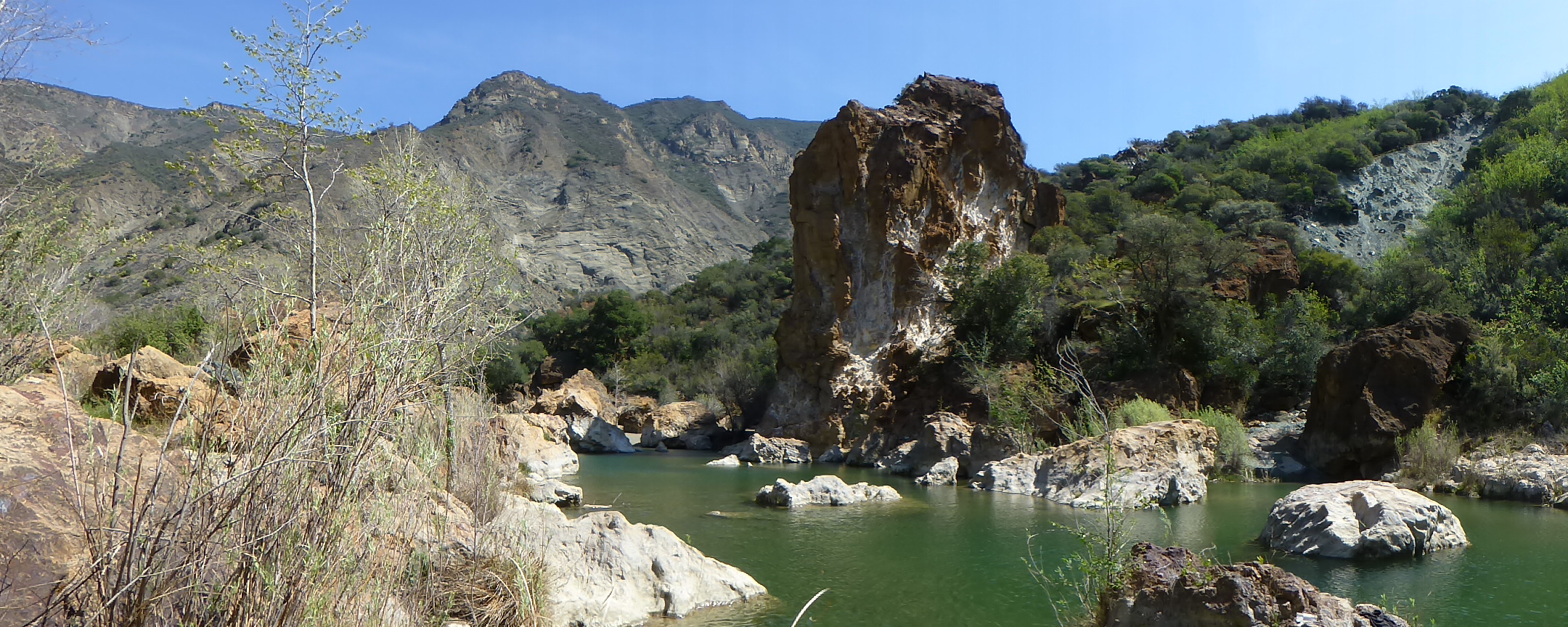
Red Rock to Gibralter Dam

Red Rock to Gibralter Dam

This was a three day-two night trip in Los Padres National Forest. If was the first overnight “training” trip for many of us planning on hiking Mt. Whitney. Over the three days, we (me, Debbie, Lorenzo, Etienne, Camila, Chloe, Olivia, and Roxanne) tested out gear and went on several short hikes. The best one was from Red Rock to Gibralter Dam where we got a great introduction to the Santa Ynez River Valley.

9. Monument Peak, Laguna Meadow Loop.
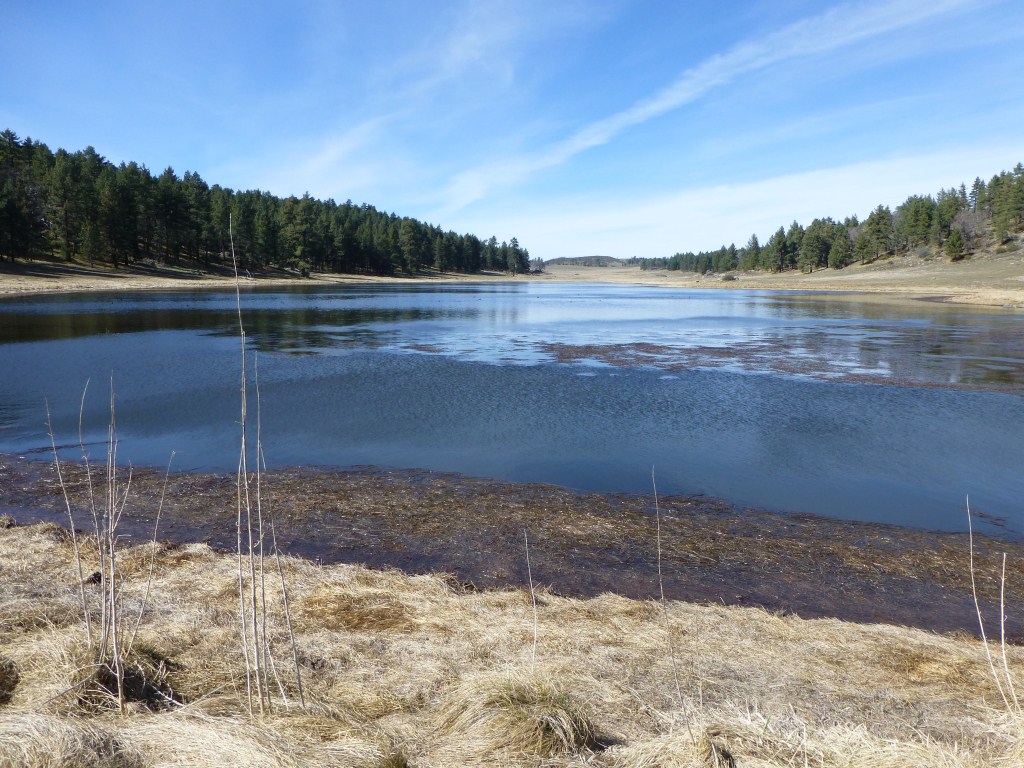
Big Laguna Trail between Noble Canyon Trail and Water-of-the-Woods.

Big Laguna Trail between Noble Canyon Trail and Water-of-the-Woods.

My friend Scott guided me on this hike. For me, It was a great introduction to the Laguna Mountains. We had lunch on Monument Peak where I fixated on a breathtaking view of the Anza Borrego Desert. We hiked along the Pacific Crest Trail for a while and by the time I was trekking through Laguna Meadow I was blown away by the range of experiences especially on a hike without that much elevation gain. At 15.1 miles with only 1750′ gain, this was our last training hike together before our Grand Canyon Trip.

8. Sequoia: Congress Trail with side trip to the Lincoln Tree
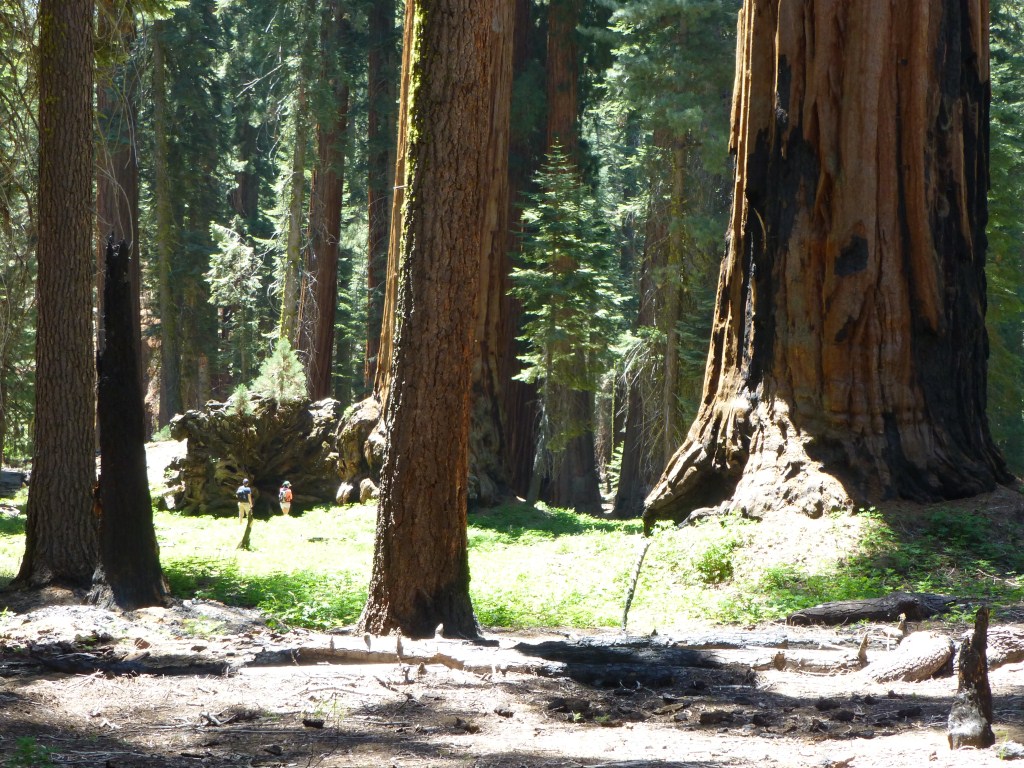
Near junction between Congress Trail and Alta Trail.

Near junction between Congress Trail and Alta Trail.

I found myself in Sequoia a lot this year. I find hiking through a forest filled Giant Sequoia’s to be one of the most spectacular experiences I’ve had hiking. The fact that these huge trees are living organisms can be tough to wrap one’s mind around. The Congress Trail is a very easy hike. In terms of high reward for little effort, it’s pretty hard to beat–which is why I wanted to take my daughter there. We had an great time father-daughter bonding, car camping at upper stony creek campground and trekking through this part of Giant Forest.

7. Mt. San Jacinto

Mt. San Jacinto Peak Scramble

Mt. San Jacinto Peak Scramble

This was an overnight backpacking trip where we (me, my wife, and Lorenzo) spent the night at Little Round Valley Campground which we all thought we excellent. We hiked up the Marion Mountain Trail, ate dinner at the peak under moonlight, and hiked back down to our campsite training for our planned 3:30 am start for our upcoming Whitney Trip. My wife pulling off peak scrambling down from the summit at night (a first for her) was almost as impressive as the terrain.

6. A night alone on the summit of Mt. San Gorgonio.
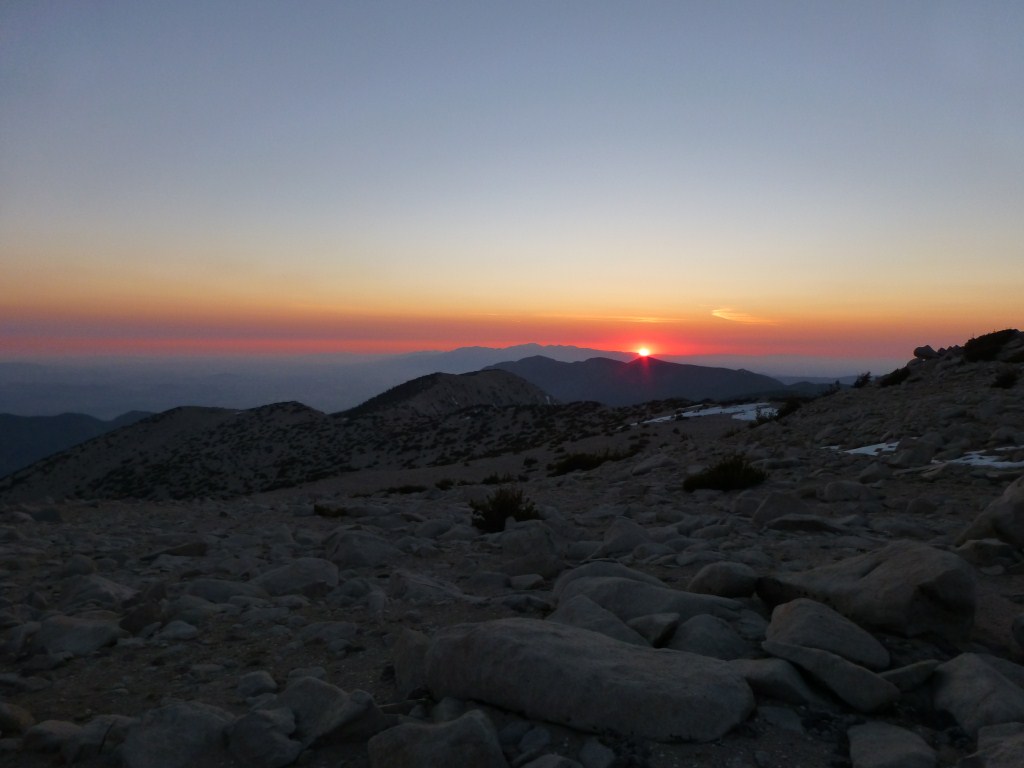
Sunset from in front of the bump on Mt. San Gorgonio where I ate dinner.

Sunset from in front of the bump on Mt. San Gorgonio where I ate dinner.

Among the advantages of hiking on a weekday is it is possible to find yourself alone in some amazing places in nature. The summit of Mt. San Gorgonio is one of them and I was treated to a truly spectacular evening. The following day I hiked down the remarkable Sky High Trail (still covered in patches of snow) meeting my friend Scott at Dry Lake which offered me the amazing opportunity to traverse the mountain range.

5. Little Lakes Valley

Little Lakes Valley

Little Lakes Valley

This trip was another great car camping experience with my daughter. We stayed at Rock Creek Campground–which was excellent. In my view, Little Lakes Valley is a phenomenal introduction to the Eastern Sierras. The trail from Mosquito Flat to Morgan Pass is remarkable in how much of the terrain is lake, stream, and/or meadow. Starting out at over 10,000′ in elevation and making it up to over 11,000′ on a fairly gradual 3.5 mile one way trip to Morgan Pass yields an incredible opportunity to experience the high country of the Sierras with comparatively little effort.

4. Alta Peak
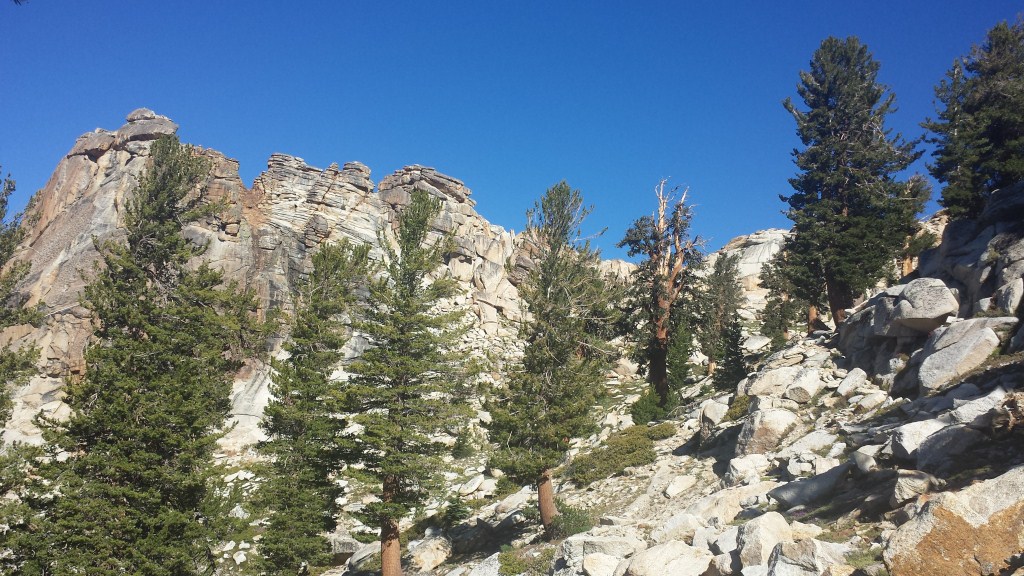
Alta Trail, JCT Alta Meadow to Alta Peak

Alta Trail, JCT Alta Meadow to Alta Peak

We (my wife, Etienne, and I) did this as a training hike for Mt. Whitney. For those living in the LA area who hike San Gorgonio, San Jacinto, and Mt. Baldy as Whitney training, I would add this to the list or replace any one of the above with this one–especially if your Whitney plan is multi-day. We started at the Sherman Tree Trail, hiked up the Alta Trail where the view at Panther Gap is stunning. We spent the night at Mehrten Meadow (though in the future I’d try to make it to Alta Meadow) and the following day hiked to the peak and then back down taking the trail to Lodgepole. The view from Alta peak was incredible and includes a view of Mt. Whitney for appropriate inspiration.

3.Snowshoeing in Giant Forest.

Moro Rock Crescent Meadow (road) January 2013

Moro Rock Crescent Meadow (road) January 2013

This was my first return to Sequoia since the mid 1970’s. Scott and I car camped at Potwisha Campground (where it got freezing cold at night). In January, with a temperature reading of 6 degrees at the trailhead, Scott and I were treated to phenomenal experience snowshoeing through Giant Forest. I was completely blown away and saw the place as Nature’s Version of New York City.

2. Mt. Whitney via Whitney Portal

Mt Whitney 2013.

Mt Whitney 2013.

This was a truly remarkable trip. It ranks second only because I went last year as well. Otherwise it’s really a coin toss with number one. This was the culmination of a lot of intense training with my wife for over a year as she went from novice hiker to backpacker. We we joined by our good friends Etienne and Camila. I never got around to blogging about it. The experience was radically different than what I had the year before. This more than any other hike instilled in me the impact of what we bring to a hike as a key component toward what we experience. I added lots of photos and dated them so it’s easy to see what was from 2012 versus 2013. Of potential interest to others is the scouting I did for campsites near Consultation Lake, where I might stay at the end of my hoped for High Sierra Trail trip in summer 2014.

1. The Grand Canyon rim to rim and back again.

The Grandeur of the  South Kaibab Trail as seen just below the Tonto Platform.

The Grandeur of the South Kaibab Trail as seen just below the Tonto Platform.

This was a four day backpacking trip I did with my friend Scott. It was a phenomenally diverse experience. I was a surprised by it’s intimacy as I was impressed by all the big things it’s been described as being. For me, the best stretch was the North Kaibab Trail, but in many ways that’s also a coin toss. It is clear why it is regarded as one of the “wonders of the world”. I wrote about 13 things that I think make it so, but there are significantly more than that …
Giant Forest With My Daughter

My daughter and I had a great time on our first road trip with her doing most of the driving. We went to Sequoia, camped at Upper Stony Creek Campground, and hiked the Congress Trail and a few short extensions in Giant Forest the next day. I was in Giant Forest snowshoeing in January and knew it would be a fantastic first trip. The major factor for the hiking component of our trip was to go to a place with phenomenal scenery that did not require a lot of effort to traverse because it was my daughter’s first hike in a while. Our hike of only about 3 miles and 450′ of gain over a mostly paved trail was interestingly diverse for such a short stretch of trail and intensely awe-inspiring. Within the first half mile we came upon the General Sherman Tree–the largest tree in the world (by volume).

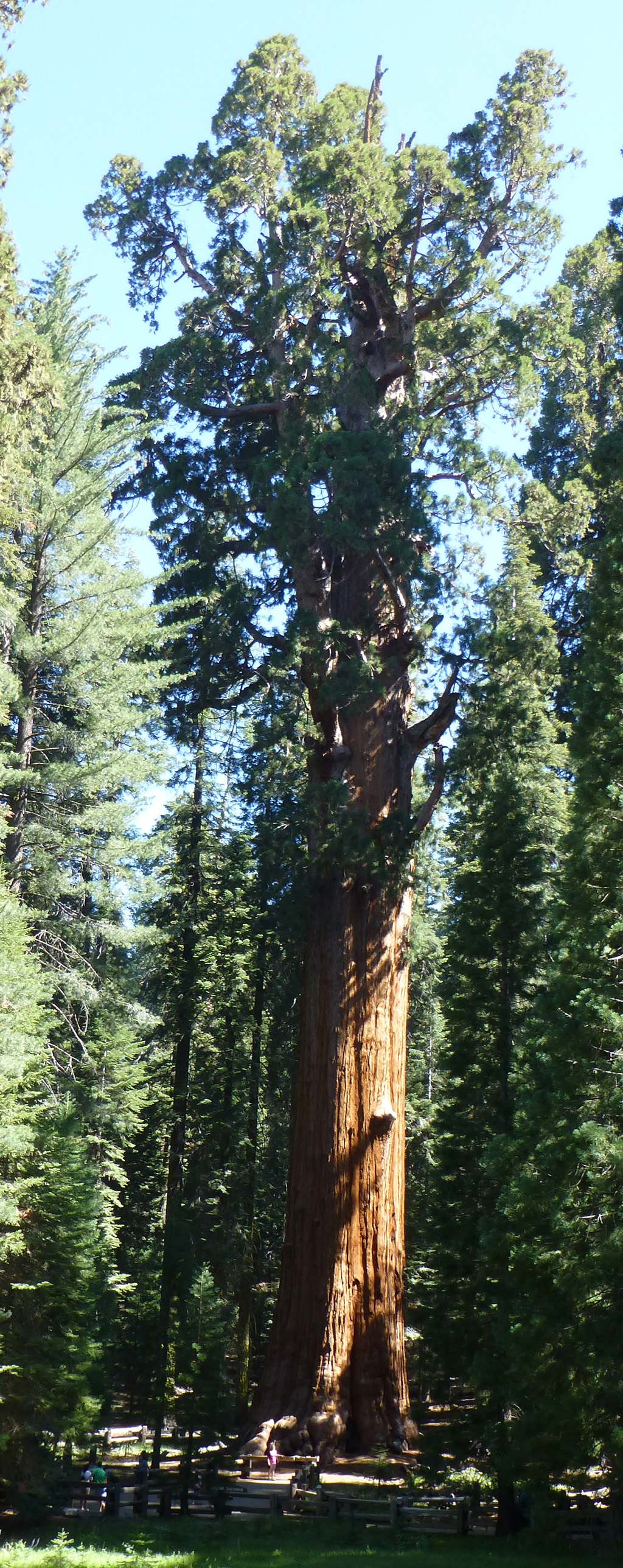
General Sherman Tree (notice the people at its base)

General Sherman Tree (notice the people at its base)–click to shrink image to your screen size.

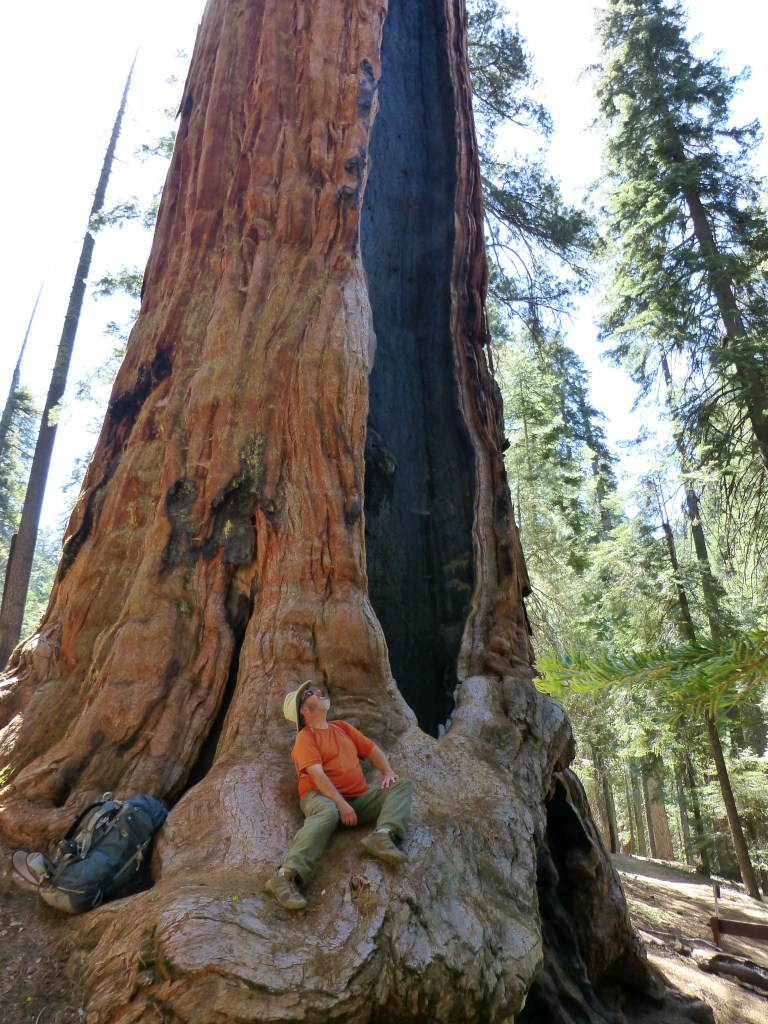
It is hard to convey the size of Giant Sequoia trees (which is why I sized the above photo the way I did). Unlike a skyscraper where one can usually see the top of the building from close by (often from a few feet in front of the entry), the branches and leaves of these trees prevent one from seeing the tree top from anywhere near its trunk. As a result photos looking up from the base of Giant Sequoias usually capture half or less of the tree’s height. Trying to internalize their size is an exercise in viewing them from multiple distances and angles in order to both get far enough away to take in their overall form and close enough to tangibly experience a direct relationship of the size of at least one small part of the tree to oneself.

Kyle sitting on the Chief Sequoyah Tree. Photo by Sarah (click to enlarge).

Kyle sitting on the Chief Sequoyah Tree. Photo by Sarah

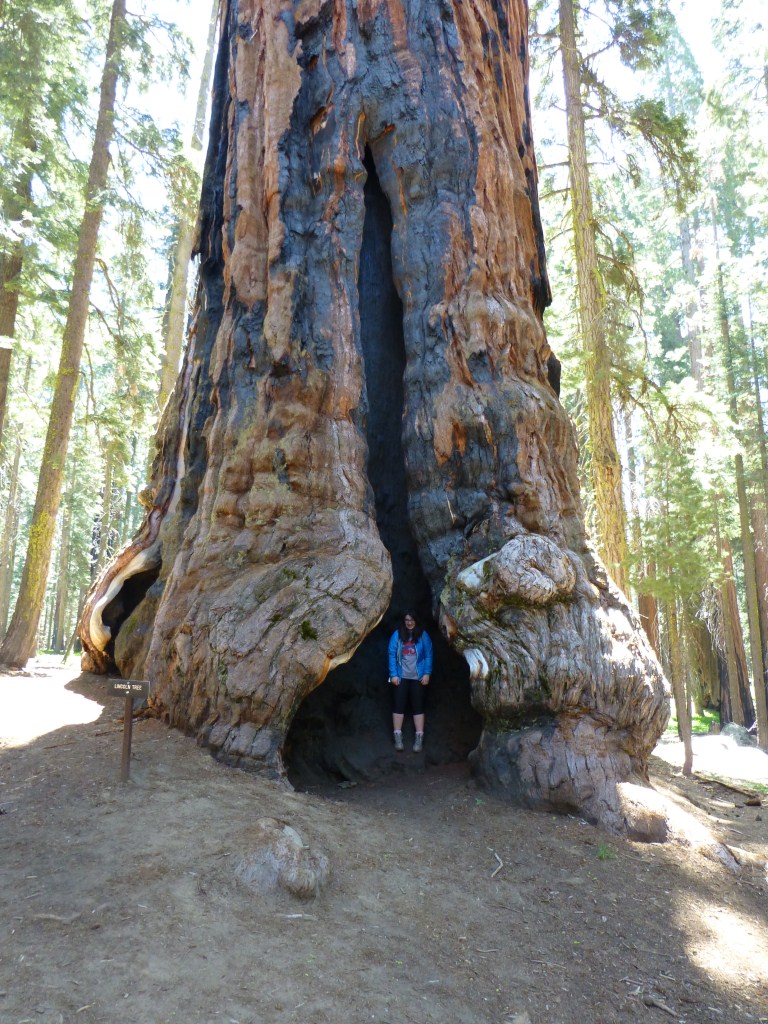
Sarah inside the base of the Lincoln Tree.

Sarah inside the base of the Lincoln Tree.

One of the signs along the trail states that “the largest sequoias in this area are between 1,800 and 3,000 years old.” Wrapping our minds around the reality that these giant objects in the landscape are actually alive and thousands of years old is something I think we are still working on. Sarah pointed out that these trees remind her of the Ents from Lord of the Rings. That they are living and so old feels more like something from science fiction or fantasy than something we could actually touch. Standing next to one of the larger sequoias and imagining that it was alive before I found myself thinking about history and the fact that the older sequoias lived through it (granted they didn’t “witness” anything outside the grove they live in) and how different that is than the presence of inorganic objects on our planet that are just as old or older.

Young sequoias with giants looming large in the background.

Young sequoias with giants looming large in the background.

With sequoias ranging in age from less than a year old to thousands of years old, the texture of the forest is fascinating to behold. There is a tangible history to it.

Texture of Giant Forest. (Note the people standing next to a fallen giant with a comparatively young sequoia growing out of it).

Texture of Giant Forest. (Note the people standing next to a fallen giant with a comparatively young sequoia growing out of it).

One of the signs along the trail point out that the sequoias “thick fibrous bark provides superior insulation against fire. With little flammable sap, it doesn’t burn easily”. These trees do get hit by lightening which is far more likely to scar them than burn them to a crisp. The likelihood of the older trees being hit by lightening at least once in their life is high enough that there are numerous trees that are still alive but also have significant features associated with surviving such intense strikes. These features were often something to marvel at as we made our way through the forest.

View up Chief Sequoyah standing inside a hollowed out portion of its trunk.

View up Chief Sequoyah standing inside a hollowed out portion of its trunk.

There really is a lot to look at. For a while, Sarah became fascinated with the surprisingly small sequoia pine cones and enjoyed looking for and admiring the most perfectly shaped ones and sharing them with me. Hard as it was to do, we resisted breaking the rules and taking any home with us.

Pine cone of a Giant Sequoia

Pine cone of a Giant Sequoia

We didn’t see many creatures during our trek but we were fortunate to come across a marmot hanging out on some boulders.

Marmot

Marmot

Of course I took more photos along the Congress Trail and am looking forward to returning to Sequoia in July.

A Busy Summer Ahead

Valley Bob’s Driving School and I have started teaching my teenage daughter how to drive–one among many causes of the reduced frequency of my posts lately. In California, teenagers (under 18) need to drive for six months with a learner’s permit and adult driver before they can take the test to get a driver’s license. Not wanting to spend our time driving exclusively in LA traffic (we will do plenty of that too), I devised a plan where we would also go on long drives together to interesting places and car camp for the night, hike the next day, and then drive home. Sure, that isn’t the most direct way to get her up to speed to pass her driving test, but we’ve got six months to do the appropriate work driving in LA to get ready for that. I openly admit that I’m channeling her enthusiasm for driving into an opportunity for a prodigious amount of father-daughter bonding time and hopefully lots of  wonderful memories a year before she goes off to college.

Little Lakes Valley (photo by my son the week before his second year in college).

Little Lakes Valley (photo by my son the week before his second year in college).


I looked for places within a six or seven hour drive from my house since we would only be staying one night at time. The other key factor was having an amazing landscape to walk through that wasn’t too strenuous an endeavor. The places I’ve chosen are:

Sequoia (Upper Stoney Creek Campground), most likely Giant Forest and Moro Rock.

Little Lakes Valley (one of many first come, first serve campgrounds). I went here with my son in 2009 and the hike is fantastic over seven miles with very little gain. Other opportunities for a shorter hike on the first day exists close by.

Cottonwood Lakes (if we can get one of the first come first serve campgrounds, otherwise we will just keep heading north until we get a spot).

Big Pine Creek Campground (Also in the Sierras. Hopefully we will make it to Fifth Lake with a view of Palisade Glacier).

Ancient Bristlecone Pine Forest (hopefully going during the week will make it easy to get a first come first serve spot at Grandview Campground).

View from Mt. Whitney

View from Mt. Whitney

I will also be training to hike to Mt. Whitney with my wife and some friends. We have two overnight backpacking training trips left as well as several modestly strenuous day hikes.

Mt. Baldy Loop: We will hike up to Mt. Baldy via the Baldy Bowl Trail and down to Baldy Notch via the Devil’s Backbone Trail. From there we will stop into the restaurant and decide whether to take the ski lift down or walk to Manker Flats via the access road.

Backpacking trip to Mt. San Jacinto: Day one, Deer Springs Trail / Pacific Crest Trail to Little Round Valley. Day two, Little Round Valley to Mt. San Jacinto, Wellman Divide Trail, Pacific Crest Trail, Devil’s Slide Trail to Humber Park.

Cucamonga Peak from Icehouse Saddle 

Shuttle hike from Vincent Gap to Mt. Baden-Powell, Mt. Burnham, Throop Peak, Mt. Hawkins, Mt. Islip and ending at Islip Saddle.

Backpacking Trip to the Sierra’s (TBD, as I also need to coordinate meeting up with a friend in Sequoia for part of his week long stay in lieu of a traditional bachelor party).

Three T’s Shuttle Hike (starting from Icehouse Canyon and continuing from Thunder Mountain to Baldy Notch and taking the ski lift down).

Old Mt. Baldy Shuttle Hike (Visitor’s center to Mt. Baldy, down Devil’s Backbone to Baldy Notch, meal at the restaurant, ski lift down).

Mt. Whitney Backpacking Trip (One day at Whitney Portal, one day at Trail Camp, and possibly one day at Lone Pine Lake depending on how we feel after we summit).

So, recently I’ve been pretty busy planning and getting ready to do all that. I’m not sure yet how this level of activity (especially all the overnights) will impact my blogging. I will be doing some kind of post at least weekly and return to my normal pattern sometime in August.

Last Week’s Visits To Other Forests

I was out of town most of last week and had a great time hiking in both Cleveland National Forest and Los Padres National Forest. While I was here, I was able to attend a volunteer meeting to learn more about trail building/maintenance opportunities in Angeles National Forest. Spending several nights away from home got me thinking about the old story about determining which of two frogs knows more about a well. The first frog lived in one well his entire life physically crawling over every portion of it numerous times. The second frog had never seen that particular well before but spent his entire life visiting ponds, lakes, streams, forests, cities, and other wells before arriving at the well where the first frog lives. I’ve had several people tell me that story and I always respond that the second frog knows more about the first frog’s well.

With that in mind, I believe I will know this forest better if I make numerous visits to other places. Most of the time I will not post stories about those experiences, but I’ve decided I will usually post photos in the other places section of this blog and at least add one photo to my journal of hikes section with stats etc.

Monument Peak

View From Monument Peak (click to enlarge)

Last Tuesday I was treated to an introductory hike of the Laguna Mountains guided by my friend Scott (who I met on Mt. Baldy last year). Scott wrote about our hike on his blog.

Red Rock to Gibralter Dam

Red Rock to Gibralter Dam (click to enlarge)

Last Friday through Sunday I went camping with family and friends. All of us went on a short hike to Red Rock on Saturday. On that hike I talked to someone who told me about a good extension to continue hiking from Red Rock along the Santa Ynez River Valley to Gibralter Dam—which most of us did on Sunday.

Upper Oso Canyon to Nineteen Oaks Campground.

Upper Oso Canyon to Nineteen Oaks Campground

After the first hike to Red Rock on Saturday, some of us also hiked Upper Oso Canyon to Nineteen Oaks Campground.